
Key Takeaways
- Snorkeling is a water activity that allows you to observe marine life while floating on the water’s surface.
- Basic equipment includes a mask, snorkel, and often fins.
- Most beginners can learn the basics in a short amount of time.
- Snorkeling is suitable for adults, children, and families when proper safety precautions are followed.
- It offers a fun way to explore coral reefs, tropical fish, and other underwater habitats.
- Calm, clear water provides the best experience for beginners.
- Wearing the right equipment improves comfort, visibility, and safety.
- Respecting marine life and avoiding contact with coral helps protect the ocean.
Snorkeling is one of the easiest and most enjoyable ways to explore the underwater world. Unlike scuba diving, it does not require heavy equipment or extensive training. With just a mask, a snorkel, and often a pair of fins, you can float on the surface of the water while watching colorful fish, coral reefs, sea turtles, and other marine life below.
People of all ages enjoy this activity because it is simple to learn, affordable, and suitable for many destinations around the world. Whether you’re planning a tropical vacation or visiting a local beach with clear water, snorkeling can give you a close look at nature without needing to dive deep underwater.
This guide explains everything you need to know before your first snorkeling trip, including how it works, the equipment you’ll need, its benefits, and who can participate.
What Is Snorkeling?
Snorkeling is a recreational water activity where you swim or float on the surface while breathing through a tube called a snorkel. A diving mask allows you to see clearly underwater, while fins help you move through the water with less effort.
Because your face stays underwater while your mouth remains connected to the air above through the snorkel, you can continue breathing normally without lifting your head every few seconds.
Unlike scuba diving, snorkeling does not require an oxygen tank or specialized certification. Most people can learn the basics in less than an hour, making it one of the most accessible water activities for beginners.
Snorkeling is popular in tropical destinations because warm, clear water provides excellent visibility and allows visitors to observe marine life in its natural habitat.
How Does Snorkeling Work?
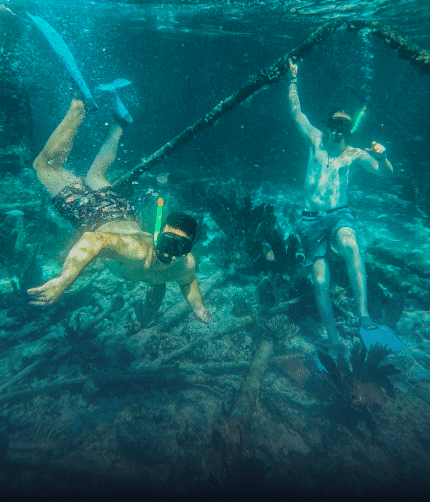
The idea behind snorkeling is simple.
You float on the surface of the water while looking downward through your mask. The snorkel extends above the water, allowing fresh air to enter as you breathe naturally through your mouth.
Since you remain near the surface, you can spend a long time observing fish, coral reefs, seagrass beds, and underwater rock formations without using heavy equipment.
Some experienced snorkelers briefly dive underwater by holding their breath to get a closer look at marine life before returning to the surface.
The History of Snorkeling
People have explored underwater environments for thousands of years. Early pearl divers and fishermen used hollow reeds or simple breathing tubes to stay underwater for short periods.
Modern snorkeling equipment developed during the twentieth century with improvements in mask design, rubber materials, and lightweight fins.
Today, advances in silicone masks, dry snorkels, and comfortable fins have made snorkeling safer and easier than ever. Millions of travelers now enjoy snorkeling during beach vacations, island tours, and marine park visits.
Why Is Snorkeling So Popular?
There are many reasons why snorkeling continues to attract beginners and experienced travelers alike.
Unlike many outdoor adventures, snorkeling requires very little equipment and no advanced skills. Most people only need a short introduction before entering the water.
It also allows visitors to experience the beauty of the ocean without spending large amounts of money on specialized training or expensive gear.
Many popular snorkeling locations feature calm, shallow water where marine life can be seen only a few feet below the surface.
Benefits of Snorkeling
Snorkeling offers more than beautiful underwater views. It also provides several physical and mental health benefits.
Gentle Exercise
Swimming and kicking your fins help strengthen your legs, core, and shoulders without placing excessive stress on your joints.
Because the water supports your body weight, snorkeling is considered a low-impact activity that many people can enjoy comfortably.
Improves Cardiovascular Health
Moving through the water increases your heart rate and encourages better circulation.
Regular swimming and snorkeling may help improve endurance and overall fitness when practiced safely.
Reduces Stress
Being surrounded by calm water and natural scenery can help many people feel relaxed.
Watching colorful fish and listening to the sounds of the ocean often creates a peaceful experience that helps reduce everyday stress.
Encourages Outdoor Activity
Many people spend most of their time indoors.
Snorkeling provides an enjoyable reason to spend time outside while appreciating nature and exploring coastal environments.
Educational Experience
Snorkeling gives people an opportunity to learn about marine ecosystems.
You may observe:
- Coral reefs
- Tropical fish
- Sea turtles
- Rays
- Starfish
- Sea urchins
- Jellyfish
- Sea grass habitats
Learning about these underwater environments often increases appreciation for ocean conservation.
Who Can Go Snorkeling?
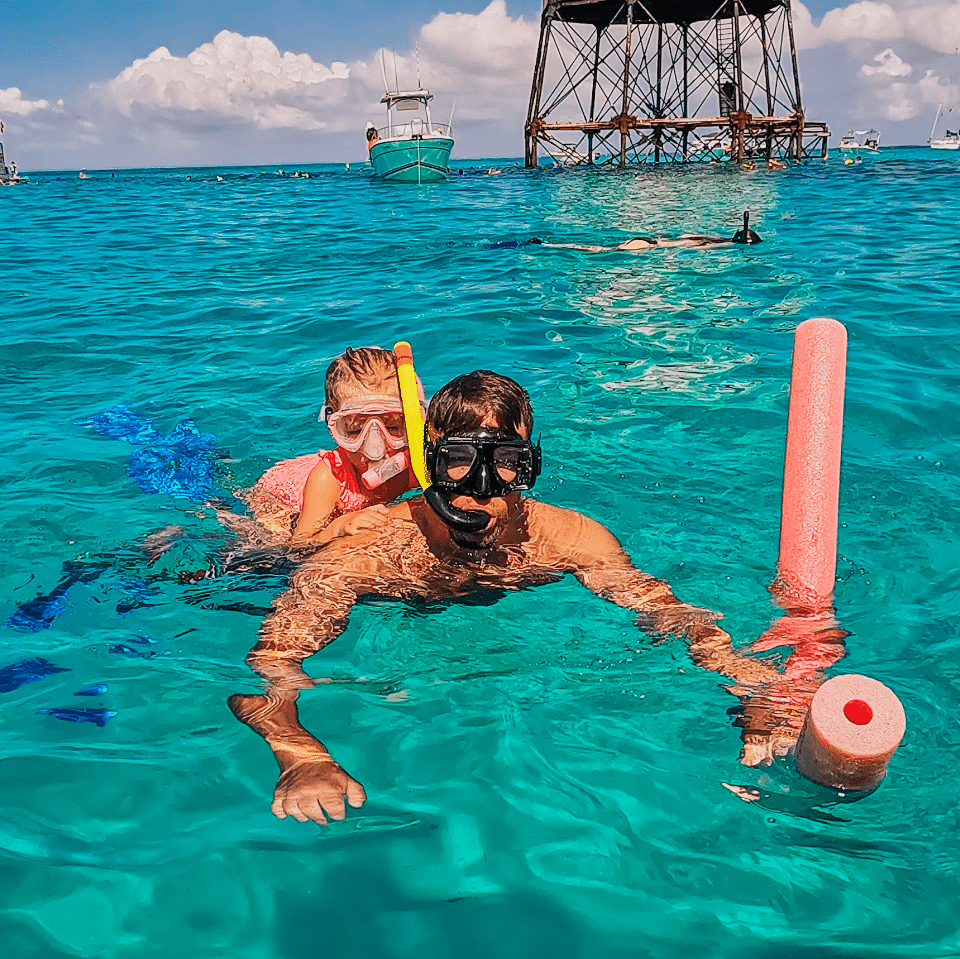
One of the biggest advantages of snorkeling is that it is suitable for a wide range of people.
Many tour operators welcome beginners, families, and older adults.
Children can often participate if they are comfortable in the water and wear properly fitted safety equipment.
Good candidates include:
- First-time swimmers with supervision
- Families
- Couples
- Solo travelers
- Seniors in good health
- Nature lovers
- Photographers
- Vacationers looking for a relaxing activity
People with certain medical conditions, breathing problems, or heart disease should consult a healthcare provider before participating.
Types of Snorkeling
There are several ways to enjoy snorkeling depending on your experience and destination.
Beach Snorkeling
This is the easiest option for beginners.
You simply walk into shallow water from the beach and begin exploring nearby reefs or rocky areas.
Boat Snorkeling
Many tours take visitors by boat to locations with clearer water and healthier coral reefs.
Boat trips often provide equipment and guidance for beginners.
Guided Snorkeling Tours
A guide leads the group through safe snorkeling areas while pointing out interesting marine life.
This option is ideal for first-time visitors.
Reef Snorkeling
Coral reefs are among the most popular snorkeling locations because they support hundreds of species of fish and other marine animals.
Drift Snorkeling
During drift snorkeling, participants move with a gentle ocean current while guides monitor the group’s safety.
This type is usually recommended for experienced snorkelers.
Where Can You Go Snorkeling?
Snorkeling is available in many parts of the world.
Popular locations include:
- Tropical islands
- Coral reefs
- National marine parks
- Lagoons
- Bays
- Calm beaches
- Clear freshwater springs
- Protected coves
The best snorkeling destinations usually have calm water, good visibility, and abundant marine life.
Is Snorkeling Difficult?
For most people, snorkeling is relatively easy to learn. Many beginners become comfortable after practicing for 15 to 30 minutes in shallow water.
The biggest adjustment is learning to breathe slowly through the snorkel instead of through your nose.
Once you become comfortable with your equipment, the experience feels natural and relaxing.
Taking your time and practicing in calm conditions can help build confidence quickly.
Can Non-Swimmers Go Snorkeling?
Some guided snorkeling tours allow non-swimmers to participate while wearing a properly fitted life jacket or flotation device.
However, basic swimming skills make the experience safer and more enjoyable.
If you are not confident in the water:
- Wear a life jacket.
- Stay close to your guide.
- Practice in shallow water first.
- Avoid rough waves.
- Never snorkel alone.
Best Age to Start Snorkeling
There is no single perfect age.
Many children begin snorkeling between the ages of 5 and 7 with properly fitted equipment and close adult supervision.
Adults of almost any age can enjoy snorkeling if they are in reasonably good health.
Some seniors continue snorkeling well into their retirement because it is less physically demanding than many other water sports.
Basic Snorkeling Terms Every Beginner Should Know
Learning a few common terms makes it easier to understand equipment and instructions.
Mask
A waterproof mask that lets you see clearly underwater.
Snorkel
A breathing tube that allows you to breathe while floating face down on the surface.
Fins
Footwear that helps you swim more efficiently.
Dry Snorkel
A snorkel with a valve that helps prevent water from entering the tube.
Reef
A natural underwater structure made primarily of coral that supports a wide variety of marine life.
Buoyancy
Your ability to float in the water.
Visibility
The distance you can clearly see underwater.
Essential Snorkeling Equipment
Having the right equipment can make your snorkeling experience safer, more comfortable, and more enjoyable. Quality gear helps you see clearly, breathe easily, and move through the water with less effort.
Snorkeling Mask
A snorkeling mask is one of the most important pieces of equipment. It creates an air space in front of your eyes, allowing you to see clearly underwater.
When choosing a mask, look for one that:
- Fits comfortably without causing pressure
- Creates a good seal around your face
- Has tempered glass lenses for durability
- Offers a wide field of vision
- Uses soft silicone instead of hard plastic
A properly fitted mask should stay on your face for a few seconds when you gently inhale through your nose without using the strap.
How to Prevent Your Mask From Fogging
A foggy mask can reduce visibility and make snorkeling less enjoyable.
To reduce fogging:
- Rinse the mask before entering the water.
- Use an anti-fog solution if needed.
- Avoid touching the inside of the lens.
- Make sure your mask fits properly.
If your mask fogs during your trip, lift the bottom edge slightly while keeping your face above the water and rinse it with seawater.
Snorkel
The snorkel is the tube that allows you to breathe while your face remains underwater.
There are three common types.
Classic Snorkel
A simple breathing tube without special valves.
Advantages:
- Lightweight
- Easy to use
- Durable
- Often more affordable
Semi-Dry Snorkel
A semi-dry snorkel has a splash guard at the top that helps reduce water entering from waves.
This is a popular choice for recreational snorkelers.
Dry Snorkel
A dry snorkel has a valve that automatically closes when the tube goes underwater.
Benefits include:
- Less water entering the tube
- Easier breathing
- Good for beginners
- More confidence in small waves
Snorkeling Fins
Fins help you swim farther while using less energy.
Instead of kicking harder, fins allow each movement to push you through the water more efficiently.
Full-Foot Fins
These fit like a shoe and are commonly used in warm water.
They are:
- Lightweight
- Comfortable
- Easy to pack
Open-Heel Fins
These are worn with neoprene booties.
They are ideal for:
- Rocky shore entries
- Cooler water
- Longer snorkeling trips
Choose fins that fit securely without being painfully tight.
Snorkeling Vest
Many beginners wear an inflatable snorkeling vest.
It provides extra flotation while allowing you to swim comfortably.
A snorkeling vest is especially useful for:
- Beginners
- Children
- Non-swimmers
- People who tire easily
Even experienced snorkelers sometimes wear one in deeper water.
Wetsuit or Rash Guard
Depending on the water temperature, you may wear additional protective clothing.
Rash Guard
A rash guard helps protect against:
- Sunburn
- Minor scrapes
- Jellyfish stings
- Skin irritation
It is lightweight and comfortable for warm climates.
Wetsuit
A wetsuit helps your body stay warm in cooler water.
It also offers some protection from:
- Coral scratches
- Rocks
- Marine life
Water Shoes
Water shoes provide better grip when entering from beaches with rocks or shells.
They also help protect your feet from:
- Sharp rocks
- Sea urchins
- Broken shells
- Hot sand
How to Choose the Right Snorkeling Gear
Not all snorkeling equipment is the same.
When shopping for gear, consider:
- Comfort
- Proper fit
- Quality materials
- Visibility
- Ease of breathing
- Water conditions
Avoid buying the cheapest equipment if it does not fit properly. A comfortable mask and snorkel often make the biggest difference in your experience.
How to Prepare Before Snorkeling
Preparation helps ensure a safer and more enjoyable outing.
Before entering the water:
- Check the weather forecast.
- Learn about local tides and currents.
- Drink plenty of water.
- Apply reef-safe sunscreen at least 15 minutes beforehand.
- Avoid heavy meals immediately before swimming.
- Stretch your muscles if you plan to snorkel for an extended period.
- Inspect your equipment for damage.
If you’re joining a guided tour, listen carefully to the safety briefing before entering the water.
How to Snorkel Step by Step
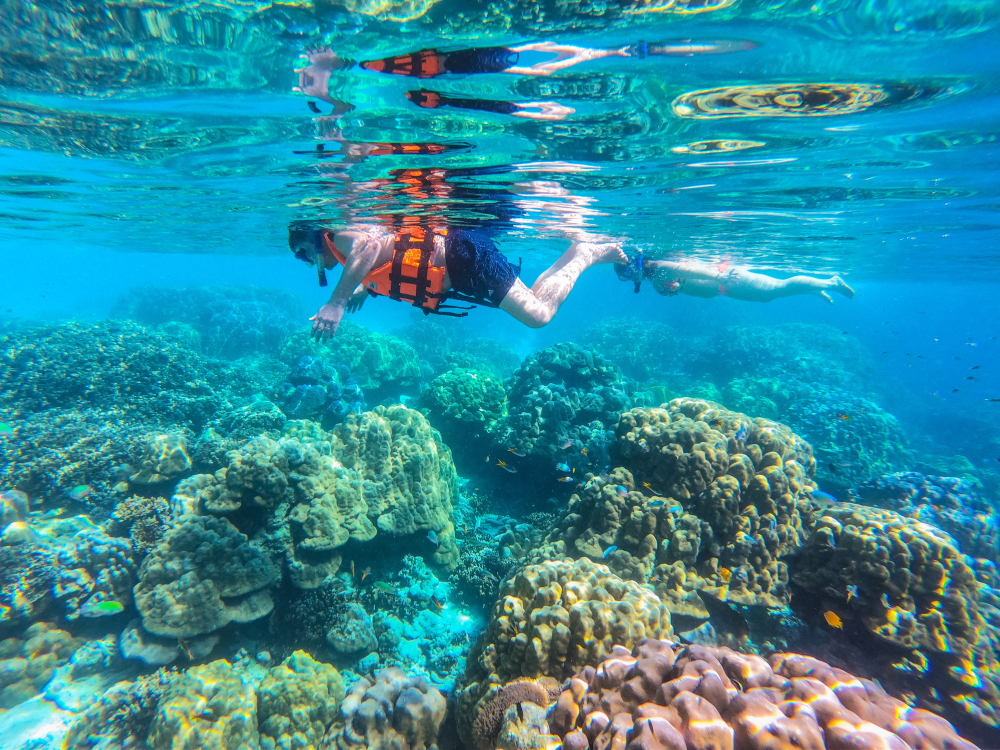
If you’re trying snorkeling for the first time, these simple steps can help you feel more confident.
Step 1: Put on Your Equipment
Wear your mask, snorkel, and fins.
Adjust the straps until everything fits comfortably.
Step 2: Enter the Water Slowly
Walk carefully if entering from the shore.
If entering from a boat, follow the guide’s instructions.
Avoid jumping into shallow water.
Step 3: Float on the Surface
Relax your body and allow yourself to float.
There’s no need to swim quickly.
Many beginners enjoy simply drifting while observing the underwater scenery.
Step 4: Breathe Slowly
Take slow, steady breaths through the snorkel.
Breathing calmly helps conserve energy and keeps you relaxed.
Step 5: Use Gentle Kicks
Keep your legs mostly straight and kick slowly from your hips.
Large splashes can scare marine life and waste energy.
Step 6: Look Around
Move slowly while watching fish, coral, and other underwater features.
Avoid standing on coral or disturbing wildlife.
Step 7: Return Safely
When you’re ready to leave the water, swim calmly back to shore or the boat.
Take your time when removing your equipment.
How to Breathe While Snorkeling
Many beginners worry about breathing through a snorkel.
Fortunately, it becomes easier with practice.
Remember these tips:
- Breathe only through your mouth.
- Take slow, relaxed breaths.
- Avoid quick or shallow breathing.
- Stay calm if a small amount of water enters the tube.
- Practice in shallow water before swimming farther.
If water enters your snorkel, many models allow you to clear it by blowing out forcefully.
Snorkeling Safety Tips
Safety should always come first.
Follow these recommendations every time you snorkel.
Never Snorkel Alone
Always snorkel with a friend or as part of a group.
Having someone nearby can be critical during an emergency.
Check Water Conditions
Avoid snorkeling if you notice:
- Strong waves
- Poor visibility
- Dangerous currents
- Storms
- High winds
Calm water provides the safest experience.
Stay Within Your Limits
Do not swim farther than you can comfortably return.
If you become tired, head back to shore or your boat.
Wear a Flotation Device if Needed
Life jackets and snorkeling vests provide extra support for beginners and less confident swimmers.
Stay Hydrated
The combination of sun and swimming can lead to dehydration.
Drink water before and after your snorkeling trip.
Watch for Boat Traffic
Use designated snorkeling areas whenever possible.
Stay visible and avoid busy boating channels.
Common Snorkeling Mistakes
Many beginners make the same mistakes during their first trip.
Learning about them beforehand can improve your experience.
Holding Your Breath
Continue breathing slowly instead of holding your breath.
Relaxed breathing helps conserve energy.
Swimming Too Fast
Fast swimming can make you tired and disturb marine life.
Move slowly and enjoy the scenery.
Touching Coral
Coral may look like colorful rocks, but it is made up of living animals.
Touching coral can damage it and may also cut your skin.
Chasing Fish
Marine animals are best observed from a respectful distance.
Chasing them often causes unnecessary stress.
Standing on the Reef
Never stand on coral reefs.
This can permanently damage fragile ecosystems.
Ignoring Weather Changes
Weather conditions can change quickly.
If waves become rough or visibility decreases, leave the water immediately.
Best Conditions for Snorkeling
The quality of your experience depends greatly on the water conditions.
Look for:
- Calm seas
- Clear water
- Light wind
- Good visibility
- Mild currents
- Sunny weather
Early morning is often one of the best times because the water is usually calmer and marine life is more active.
Can You Wear Glasses While Snorkeling?
Standard glasses do not fit inside a snorkeling mask.
If you wear prescription lenses, you have several options:
- Prescription snorkeling masks
- Contact lenses
- Custom lens inserts
Many dive shops rent prescription masks for visitors.
How Long Can You Snorkel?
The amount of time depends on your fitness level, water temperature, and weather conditions. Many people snorkel comfortably for 30 to 60 minutes before taking a break.
On guided tours, it’s common to snorkel in multiple shorter sessions rather than one long swim. Taking regular breaks helps prevent fatigue and allows you to stay hydrated.
Marine Life You May See While Snorkeling
One of the biggest reasons people enjoy snorkeling is the opportunity to observe marine life in its natural environment. Every location is different, so the animals you see will depend on where you snorkel and the time of year.
In tropical waters, you may spot colorful fish swimming among coral reefs, while colder regions may have kelp forests, sea stars, and different species of fish.
Some of the most common marine animals include:
- Clownfish
- Parrotfish
- Angelfish
- Butterflyfish
- Surgeonfish
- Sea turtles
- Rays
- Sea stars
- Sea cucumbers
- Octopuses
- Dolphins (occasionally)
- Small reef sharks in some destinations
Many snorkeling locations are home to hundreds of different species, making every trip unique.
Coral Reefs
Coral reefs are among the most beautiful underwater environments on Earth. They provide shelter and food for thousands of marine species.
Although coral looks like colorful rock, it is actually made up of tiny living animals called coral polyps.
Healthy coral reefs are important because they:
- Support marine biodiversity
- Protect coastlines from waves
- Provide food and shelter for sea life
- Attract eco-tourism
Since coral is fragile, avoid touching or standing on it.
How to Respect Marine Life
Snorkeling is more enjoyable when you observe animals without disturbing them.
Follow these simple guidelines:
- Keep a safe distance from wildlife.
- Never chase fish or turtles.
- Avoid feeding marine animals.
- Do not collect shells, coral, or other sea life.
- Leave everything as you found it.
- Swim slowly to avoid startling animals.
Responsible snorkeling helps protect ocean ecosystems for future generations.
Best Places to Go Snorkeling
Many destinations around the world offer excellent snorkeling opportunities. The best locations usually have warm water, good visibility, and healthy coral reefs.
Some of the world’s most popular snorkeling destinations include:
- Florida Keys, United States
- Hawaii, United States
- Maldives
- Great Barrier Reef, Australia
- Belize Barrier Reef
- Bahamas
- Bora Bora, French Polynesia
- Fiji
- Hawaii’s Molokini Crater
- Red Sea, Egypt
- Philippines
- Indonesia
- Mexico’s Riviera Maya
Many of these locations offer guided snorkeling tours for beginners.
Why the Florida Keys Are a Popular Snorkeling Destination
The Florida Keys are one of the most famous snorkeling destinations in the United States.
Visitors come here to enjoy:
- Crystal-clear water
- Colorful coral reefs
- Tropical fish
- Sea turtles
- Shipwrecks
- Protected marine parks
Many snorkeling tours depart from Islamorada, Key Largo, and Key West, making it easy for beginners and families to experience the area’s underwater beauty.
Snorkeling vs. Scuba Diving
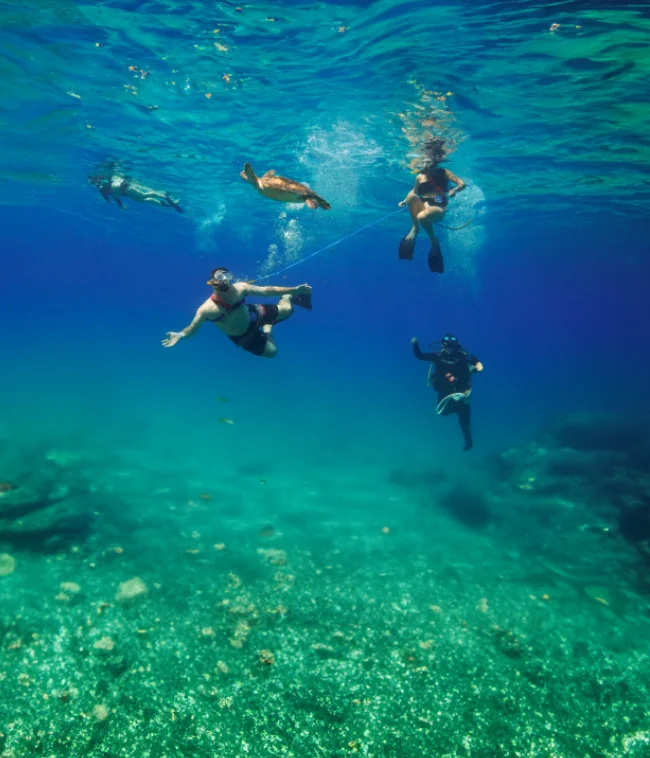
Although both activities allow you to explore underwater environments, they are quite different.
| Feature | Snorkeling | Scuba Diving |
| Water Depth | Surface | Deep underwater |
| Equipment | Mask, snorkel, fins | Tank, regulator, BCD, wetsuit, weights |
| Training | Usually not required | Certification often required |
| Cost | Lower | Higher |
| Air Supply | Natural breathing through snorkel | Compressed air tank |
| Duration | Depends on comfort | Limited by air supply |
| Difficulty | Beginner-friendly | Requires more training |
If you simply want to enjoy marine life from the surface, snorkeling is often the better choice. If you want to explore shipwrecks or deep reefs, scuba diving may be worth considering after proper training.
Is Snorkeling Safe?
For most healthy people, snorkeling is considered a safe recreational activity when basic safety guidelines are followed.
You can reduce risks by:
- Wearing properly fitted equipment
- Snorkeling with a buddy
- Staying in calm water
- Following local safety instructions
- Avoiding rough weather
- Knowing your physical limits
If you have asthma, heart disease, epilepsy, or another medical condition, speak with your healthcare provider before participating.
Snorkeling Etiquette
Being respectful helps protect marine environments and ensures everyone has an enjoyable experience.
Remember these simple rules.
Don’t Touch Marine Animals
Even friendly-looking animals may become stressed or injured by human contact.
Avoid Standing on Coral
Coral reefs grow very slowly and can be permanently damaged by a single step.
Don’t Leave Trash Behind
Take everything you bring with you when leaving the beach or boat.
Give Others Space
Avoid swimming directly over or too close to other snorkelers.
Listen to Your Guide
Guides know local conditions and can help keep everyone safe.
What to Do After Snorkeling
Your trip doesn’t end when you leave the water.
A few simple steps can help keep both you and your equipment in good condition.
Rinse Your Equipment
Wash your mask, snorkel, and fins with fresh water to remove salt, sand, and debris.
Allow everything to dry before storing it.
Drink Water
Swimming in the sun can cause dehydration, so drink plenty of water after your trip.
Check Your Skin
Look for any cuts, scrapes, or signs of sunburn.
Apply moisturizer or aloe vera if your skin feels dry.
Clean Up Responsibly
Dispose of trash properly and avoid leaving anything behind on the beach.
Frequently Asked Questions
Is snorkeling easy for beginners?
Yes. Most beginners learn the basics within a short time. Practicing in calm, shallow water helps build confidence.
Do I need to know how to swim?
Basic swimming skills are helpful, but some guided tours allow non-swimmers to participate while wearing a life jacket or snorkeling vest.
Can children go snorkeling?
Yes. Many children can enjoy snorkeling with properly fitted equipment and close adult supervision.
How deep do you go while snorkeling?
Most people stay on the surface of the water. Some experienced snorkelers briefly dive down while holding their breath.
Can I wear contact lenses while snorkeling?
Yes, many people wear soft contact lenses under their mask. Be careful not to lose them if your mask comes off.
Is snorkeling better in the morning?
Often, yes. Morning conditions usually offer calmer water and better visibility.
Can you breathe underwater with a snorkel?
No. A snorkel allows you to breathe only while the top of the tube remains above the water’s surface.
What should I do if water enters my snorkel?
Stay calm. Lift your head above the water or blow forcefully through the snorkel to clear the water before continuing.
How much does snorkeling cost?
Costs vary depending on the destination. If you already own equipment, snorkeling from a public beach can be inexpensive. Guided boat tours usually cost more because they include transportation, equipment, and instruction.
Is snorkeling suitable for older adults?
Yes. Many older adults enjoy snorkeling because it is a low-impact activity. As with any physical activity, it’s important to consider your health and consult a healthcare provider if you have any medical concerns.
Conclusion
Snorkeling is one of the easiest and most rewarding ways to experience the underwater world. With just a few pieces of equipment and some basic knowledge, you can discover colorful coral reefs, tropical fish, sea turtles, and other fascinating marine life without needing extensive training or expensive gear.
Whether you’re planning your first beach vacation or looking for a new outdoor adventure, snorkeling offers a fun activity for individuals, couples, and families alike. By choosing the right equipment, following safety guidelines, respecting marine ecosystems, and practicing in calm conditions, you can enjoy memorable experiences while helping protect the oceans for future generations.
If you’re visiting the Florida Keys or planning to try snorkeling, Robbie’s of Islamorada is a must-visit destination. Known for its waterfront location and unforgettable outdoor experiences, Robbie’s is the perfect place to enjoy the beauty of the Keys before or after your snorkeling adventure. Whether you’re exploring the crystal-clear waters, feeding the famous tarpon, or relaxing with a meal by the marina, Robbie’s offers an authentic Florida Keys experience that visitors of all ages can enjoy.