
Snorkeling is one of the easiest ways to explore the underwater world. You do not need extensive diving experience, and you can often see colorful fish, coral, and other marine life while staying close to the surface.
But is snorkeling dangerous? Like any activity in the water, snorkeling has some risks. Most problems can be avoided by understanding the conditions, using proper equipment, staying within your abilities, and following basic water safety rules.
Snorkeling can be a fun and relaxing activity, but it should not be treated as completely risk-free. Ocean conditions can change quickly, and even experienced swimmers can get into trouble.
Key Takeaways
- Snorkeling is generally safe when you understand the conditions, use proper equipment, and follow basic water safety practices.
- Strong currents, rough waves, fatigue, and poor swimming ability are some of the main risks snorkelers should be aware of.
- Always stay with your group, avoid touching marine life, check water conditions, and know your limits before entering the water.
- Beginners and children should choose calm, supervised snorkeling areas and use properly fitted equipment.
Is Snorkeling Dangerous for Beginners?
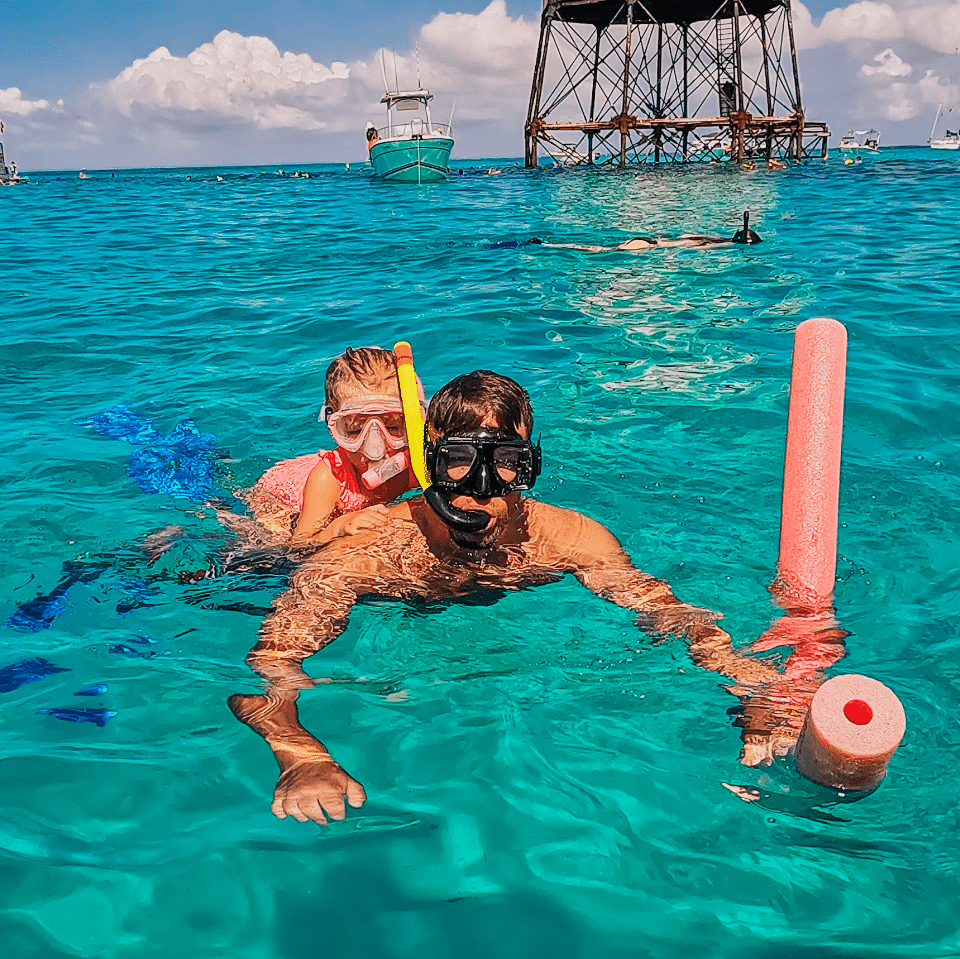
Snorkeling is generally accessible to beginners, but new snorkelers may face a higher risk of problems because they are still learning how to breathe through a snorkel, use fins, and move comfortably in the water.
One common mistake is trying to swim too far from shore or a boat before becoming comfortable with the equipment.
Beginners should start in calm, shallow water when possible. This gives you an opportunity to practice breathing through the snorkel and learn how the mask and fins feel before entering deeper water.
If you are joining a guided snorkeling trip, listen carefully to the safety briefing. Guides can explain local conditions, boundaries, currents, and procedures to follow if you need assistance.
Common Risks of Snorkeling
Understanding the most common risks can help you prepare for them.
Strong Currents
Currents are one of the biggest concerns for snorkelers.
You may enter the water when conditions look calm, but currents can be stronger farther from shore or around certain areas. A current can gradually move you away from your starting point without you realizing it.
If you notice that you are having difficulty swimming back to your starting point, do not fight the current until you are exhausted. Signal for help and follow the instructions of your guide or safety personnel.
Waves and Rough Water
Large waves can make snorkeling difficult, particularly for beginners.
Waves can push you into rocks, coral, or other objects. They can also make it harder to keep your mask in place or breathe comfortably through the snorkel.
Check the conditions before entering the water. If the ocean becomes rough, it may be better to postpone the activity.
Getting Tired
Swimming with fins may feel easy at first, but snorkeling can become tiring.
People sometimes swim farther than they planned and then realize they have to make the same journey back.
Take regular breaks and avoid pushing yourself beyond your comfort level. If you feel tired, return to the boat, shore, or designated rest area.
Your ability to swim comfortably is an important part of water safety.
Read: What is the Best Snorkeling Gear?
Can You Drown While Snorkeling?
Drowning is one of the most serious risks associated with any water activity.
A snorkel allows you to breathe while your face is in the water, but it does not make you immune to drowning. Water can enter the snorkel, a mask can leak, or a swimmer can become tired or disoriented.
People with limited swimming ability should not assume that snorkeling equipment makes deep water safe.
A properly fitted life jacket or flotation device may be appropriate for some people, depending on the location and activity. Follow the safety requirements provided by the tour operator or local authorities.
Can Snorkeling Be Dangerous for Non-Swimmers?
People who cannot swim should be especially careful.
A snorkel and mask are not substitutes for swimming ability. Even in relatively calm water, you may need to control your body position and respond if you move away from a boat or shallow area.
If you are not a confident swimmer, tell the tour operator before entering the water. They may be able to provide flotation equipment, recommend a suitable area, or explain whether the activity is appropriate for you.
Never enter deep or open water simply because other people are snorkeling there.
Marine Life Risks
Seeing marine life is one of the main reasons people go snorkeling, but animals should always be observed from a safe distance.
Most marine animals do not want to interact with humans. Problems are more likely when someone tries to touch, chase, feed, or corner an animal.
Coral can also cause cuts and other injuries. Some marine organisms can sting or irritate the skin.
Avoid touching coral, animals, or unfamiliar objects underwater.
If you are snorkeling in an area known for particular marine species, learn about local wildlife before entering the water.
Sun Exposure
You can get a significant amount of sun exposure while snorkeling.
Even when part of your body is underwater, your back, shoulders, legs, and other exposed areas can receive sunlight.
Use appropriate sun protection and consider wearing a rash guard or other protective clothing designed for water activities.
Remember that sunscreen can also wash into the water. When appropriate for the location, consider reef-conscious products and follow local regulations regarding sunscreen use.
Staying hydrated is also important, especially when snorkeling in warm weather.
Dehydration and Heat
Spending time in the sun and swimming can cause you to become dehydrated.
You may not notice how much energy you are using while floating in the water.
Drink enough fluids before and after your activity. Avoid consuming alcohol before snorkeling because it can affect judgment, coordination, and your ability to respond to changing conditions.
If you feel weak, dizzy, confused, or unusually tired, get out of the water and seek assistance.
Mask and Snorkel Problems
Equipment problems can make snorkeling uncomfortable and potentially unsafe.
A poorly fitted mask may leak water or fog repeatedly. A snorkel that does not fit correctly can make breathing more difficult.
Before entering the water, check your equipment.
Make sure:
- The mask fits comfortably
- The snorkel is properly attached
- The fins fit securely
- The mouthpiece is comfortable
- Any flotation equipment is properly adjusted
Practice clearing water from your mask and snorkel before going into deeper water.
What Happens If You Panic?
Panic can make a manageable situation much more difficult.
For example, if water enters your snorkel, you may instinctively lift your head quickly or begin swimming aggressively.
Try to remain calm.
Raise your head above the water, take normal breaths, and assess what is happening. If you are with a group, signal your guide or buddy for help.
Learning basic snorkeling skills in shallow water can help you feel more comfortable when something unexpected happens.
Should You Snorkel Alone?
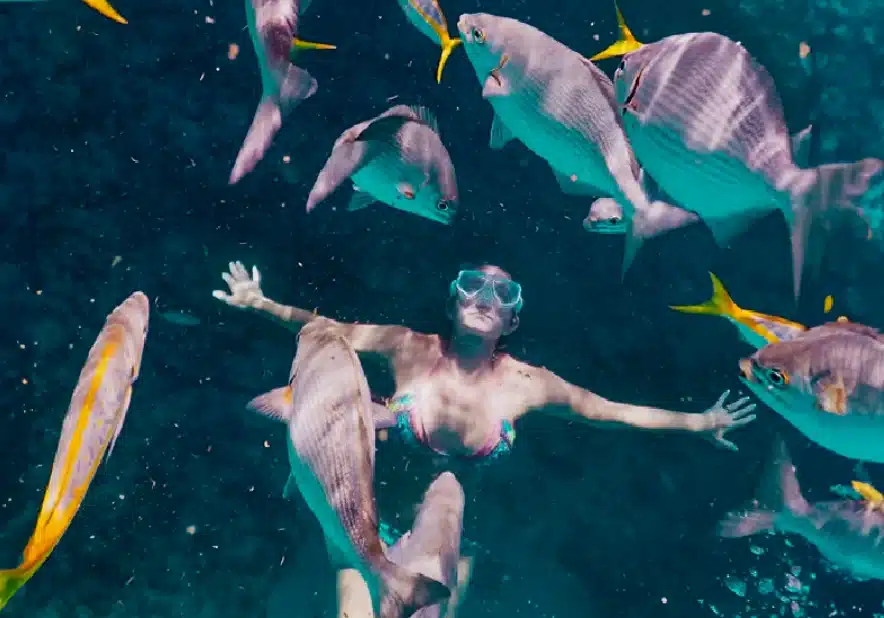
It is safer to avoid snorkeling alone, particularly in open water.
Having another person nearby means someone can notice if you are struggling and get help.
If you are taking a boat trip, stay within the area designated by the crew. Keep track of the boat and other members of your group.
Do not swim far away simply because you see something interesting underwater.
Is Snorkeling Dangerous in Deep Water?
Deep water can increase the consequences of problems such as fatigue, equipment failure, or strong currents.
You do not need to enter deep water to enjoy snorkeling. Many locations have shallow areas where you can see plenty of marine life.
If you are inexperienced, choose a location where you feel comfortable and where assistance is readily available.
Depth alone does not determine whether an area is safe. Water movement, visibility, weather, marine life, boat traffic, and your swimming ability all matter.
How to Stay Safe While Snorkeling
A few simple habits can reduce many common risks.
Check the Conditions
Before entering the water, check weather, waves, currents, and visibility. If conditions are unsuitable, wait for another opportunity.
Use Proper Equipment
Make sure your mask, snorkel, fins, and flotation equipment fit properly.
Stay With Your Group
If you are on a guided trip, stay within the designated snorkeling area and follow the crew’s instructions.
Know Your Limits
Do not swim farther or deeper than you can comfortably handle.
Avoid Touching Marine Life
Observe animals and coral without touching them.
Protect Yourself From the Sun
Use suitable sun protection and stay hydrated.
Know How to Get Help
Before entering the water, understand how to signal for assistance and where the nearest safe exit is.
Is Snorkeling Safe for Children?
Children can enjoy snorkeling, but supervision is important.
Their swimming ability, age, confidence, and the water conditions should all be considered.
Children should use properly fitted equipment and stay close to a responsible adult. A flotation device may also be appropriate depending on the child and the location.
Do not assume that a child is safe simply because they are wearing a mask and snorkel.
When Should You Avoid Snorkeling?
There are situations when skipping the activity is the safest choice.
Avoid entering the water if conditions are rough, you feel unwell, or you are too tired to swim comfortably.
You should also reconsider snorkeling if you are under the influence of alcohol or drugs.
If you have a medical condition that could affect your ability to exercise or respond to an emergency in the water, speak with your healthcare professional before participating.
Frequently Asked Questions
Can you snorkel if you are afraid of deep water?
Yes, you can start in shallow water where you feel comfortable. Choose a calm snorkeling area and stay close to your guide or group.
Do you need to know how to swim before snorkeling?
Swimming ability is important for open-water snorkeling. If you are not a confident swimmer, tell the tour operator beforehand and ask about flotation equipment and suitable snorkeling areas.
Can you snorkel if you wear glasses?
Regular glasses usually cannot be worn under a standard snorkeling mask. Prescription snorkeling masks or corrective lenses may be available for people who need vision correction.
Is snorkeling difficult for first-time participants?
Snorkeling can be relatively easy to learn in calm water. Getting comfortable with breathing through the snorkel and clearing water from the mask may take some practice.
What should you eat before snorkeling?
A light meal or snack can be more comfortable than a heavy meal immediately before getting in the water. Avoid eating anything that you know causes stomach discomfort while exercising.
Can you snorkel if you get seasick?
It depends on the individual and the type of trip. If you are traveling by boat, seasickness can be an issue before you even enter the water. Speak with your healthcare professional about appropriate prevention options if you frequently experience motion sickness.
Should you wear a life jacket while snorkeling?
A flotation device may be appropriate for people who are less confident in the water or when required by the tour operator. Follow the safety instructions for the specific snorkeling location.
Can you snorkel while wearing contact lenses?
Some people wear contact lenses while snorkeling, but water entering the eyes can create problems. A properly fitted mask can help keep water away from your eyes. Ask your eye-care professional if you have concerns.
How long should a snorkeling session last?
There is no universal time limit. The duration depends on water conditions, your fitness, temperature, and comfort level. Take breaks and leave the water if you become tired or uncomfortable.
What should you do if your snorkel fills with water?
Stay calm, lift your face above the water, and clear the snorkel using the technique you were taught. If you cannot clear it comfortably, remove the snorkel and breathe normally while getting assistance if needed.
Conclusion
So, is snorkeling dangerous? It can be, but many risks can be reduced with proper preparation and sensible decisions.
The most important things are to understand the water conditions, use equipment that fits properly, stay with your group, respect marine life, and know your swimming limits.
Beginners should start in calm conditions and choose locations where help is available. More experienced snorkelers should also avoid becoming overconfident because currents, weather, and other conditions can change.
Snorkeling should be about enjoying the underwater environment, not taking unnecessary risks. A little preparation before getting into the water can make the experience more comfortable and enjoyable.
For anyone planning a snorkeling trip in the Florida Keys, Robbie’s of Islamorada is a great place to experience the water and explore the area’s marine life. With the right preparation and a responsible approach to water safety, snorkeling can be a fun way to enjoy the clear waters and natural beauty of the Florida Keys.