
Tarpon are among the most recognizable sport fish found in tropical and subtropical waters. Known for their enormous size, powerful jumps, and brilliant silver scales, these fish have earned a special place in the fishing world. Anglers often travel to destinations such as the Florida Keys to experience the excitement of catching one. But there is one question many people ask when learning about this remarkable fish: Why Are Tarpon Called the Silver King?
Tarpon are called the Silver King because of their large, shiny silver bodies, impressive size, and reputation as one of the most powerful game fish in coastal waters. Their reflective scales give them a striking appearance, especially when they leap out of the water. The word “King” reflects their status among sport anglers, who admire their strength, speed, and ability to put up an unforgettable fight.
In this guide, we explore why tarpon earned this famous nickname, what makes them special, how large they can grow, and why anglers consider catching one such an exciting experience.
Key Takeaways
- Tarpon are called the Silver King because of their bright, reflective silver scales and impressive size.
- They are powerful fish known for spectacular jumps and strong runs.
- Atlantic tarpon can grow over 8 feet long and weigh more than 280 pounds.
- Their large scales help create their distinctive metallic appearance.
- Tarpon are popular sport fish, especially in Florida and the Florida Keys.
- They are often caught using catch-and-release fishing practices.
Why Are Tarpon Called the Silver King?
The nickname “Silver King” comes from two defining characteristics of tarpon: their brilliant silver appearance and their reputation as a powerful, impressive game fish.
1. Their Shiny Silver Scales
The most obvious reason tarpon are called the Silver King is their appearance. Their bodies are covered in large, reflective scales that produce a bright metallic shine.
When sunlight hits a tarpon swimming near the surface, its body can appear almost mirror-like. This silver color makes the fish easy to recognize, particularly when it rolls or jumps above the water.
The reflective scales are especially noticeable in clear coastal waters, where the fish can look like a large silver shape moving beneath the surface.
2. Their Impressive Size
Tarpon are among the largest fish targeted by recreational anglers in shallow coastal waters.
Atlantic tarpon can grow more than 8 feet long and weigh over 280 pounds. Their large bodies and powerful swimming ability make them challenging to catch.
Their impressive size is another reason the word “King” became associated with them. They are not small fish that anglers can easily reel in. Landing a large tarpon requires patience, suitable equipment, and experience.
3. Their Powerful Fighting Ability
Tarpon are famous for their strength and athletic behavior when hooked.
Once a tarpon takes the bait, it may make a fast run, change direction, and leap dramatically out of the water. These jumps are often called “tail walks” when the fish moves across the surface while keeping much of its body above the water.
Their sudden movements and powerful runs make them a challenging target, even for experienced anglers.
For many sport fishermen, the combination of size, speed, and acrobatic jumps makes tarpon one of the most exciting fish to catch.
What Makes Tarpon Look Like Silver?
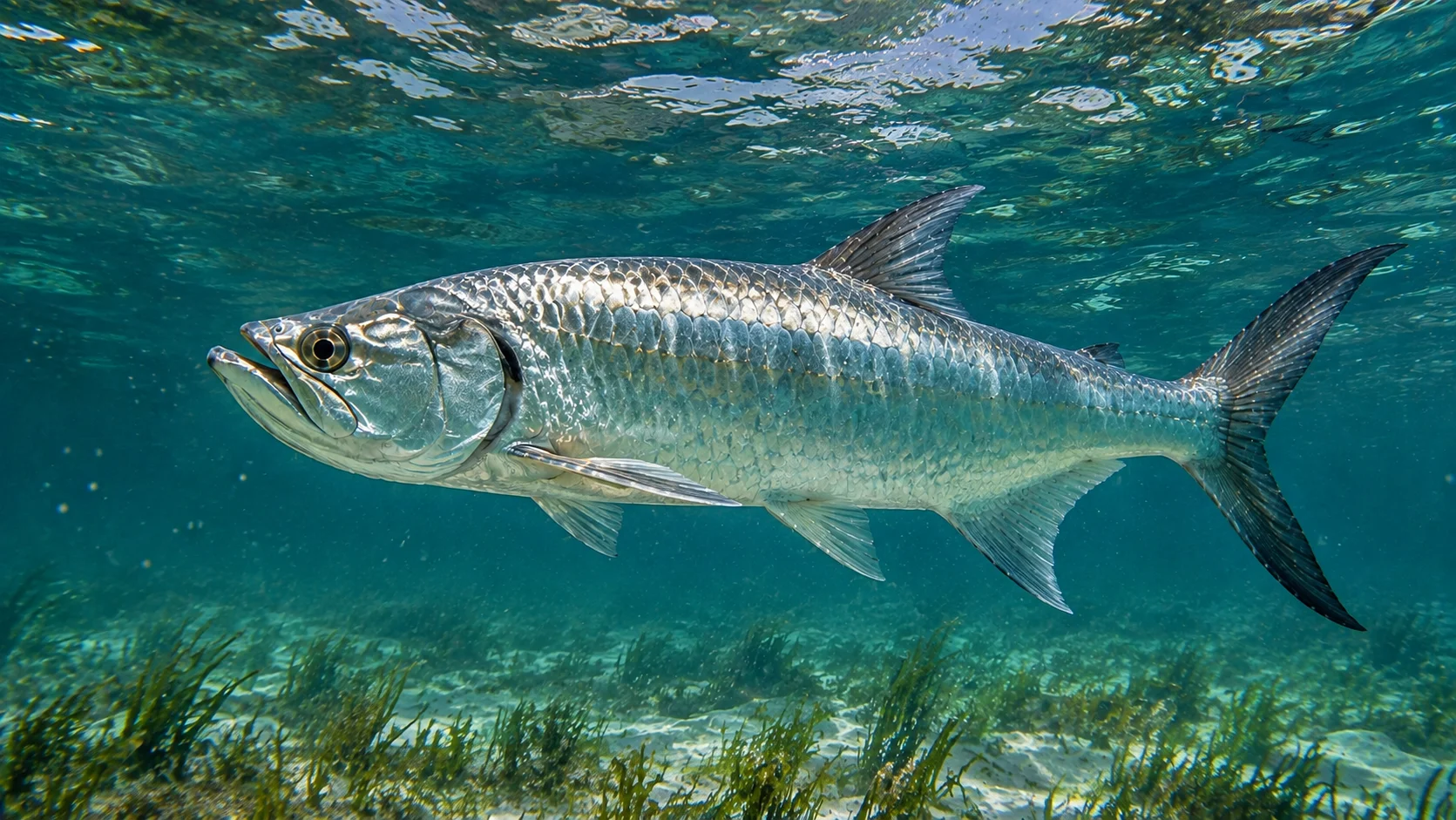 Tarpon have large, shiny scales that give their bodies a metallic appearance. Their coloration is generally silvery, although their backs may appear darker, sometimes with greenish or bluish tones.
The reflective appearance is related to the structure of their scales. Light reflects from the surface and layers within the scales, creating the bright silver effect.
This natural coloration helps explain why tarpon are so easily recognized. Even when viewed from a distance, their large silver bodies can stand out in the water.
Their appearance is particularly impressive when they jump. As the fish turns in the sunlight, its scales reflect light, making it look almost like a flash of silver above the water.
How Big Can the Silver King Grow?
The Atlantic tarpon (Megalops atlanticus) is a large coastal fish found in the Atlantic Ocean and nearby waters.
It can grow to impressive dimensions:
- Length: More than 8 feet in exceptional specimens
- Weight: More than 280 pounds in exceptionally large fish
- Lifespan: Several decades, with estimates suggesting some may live over 50 years
Not every tarpon reaches these sizes. Many fish caught by recreational anglers are considerably smaller.
Tarpon grow throughout much of their lives, and their size depends on factors such as food availability, habitat, environmental conditions, and age.
Their large scales, broad bodies, and powerful tails help them swim through coastal waters, estuaries, and other habitats.
Why Are Tarpon So Popular Among Anglers?
Tarpon are highly valued in recreational fishing because catching one requires more than simply getting a bite.
Spectacular Jumps
One of the most exciting parts of tarpon fishing is watching the fish jump after being hooked.
Tarpon can launch their large bodies out of the water, shake their heads, and attempt to throw the hook. These jumps create an unforgettable experience for anglers.
Powerful Runs
Tarpon can swim quickly and make strong runs after taking the bait. Their strength can test fishing rods, reels, lines, and the angler’s ability to maintain control.
Challenging Fishing Experience
Tarpon can be selective about what they eat and how they respond to bait. Anglers often need to consider tides, water movement, weather, bait selection, and fishing location.
These challenges make catching a Silver King rewarding for both beginners and experienced fishermen.
Where Can You Find the Silver King?
Tarpon are found in tropical and subtropical waters, particularly throughout the Atlantic Ocean, the Gulf of Mexico, and the Caribbean.
In the United States, Florida is one of the best-known destinations for tarpon fishing.
Popular areas include:
- Florida Keys
- Islamorada
- Key West
- Boca Grande
- Tampa Bay
- Everglades coastal waters
The Florida Keys are particularly well known for seasonal tarpon fishing. During warmer months, large numbers of tarpon move through the region, creating opportunities for recreational anglers.
Islamorada is one of the destinations where anglers can experience tarpon fishing in the beautiful waters of the Florida Keys. Local fishing guides and charter operators help visitors understand the area’s fishing conditions and techniques.
What Do Tarpon Eat?
Tarpon are primarily carnivorous fish. Their diet includes smaller fish and crustaceans.
Common food sources include:
- Mullet
- Sardines
- Shrimp
- Crabs
- Small baitfish
- Other available aquatic prey
Their feeding habits can change depending on their habitat and the food available.
Tarpon are also known for their ability to gulp air at the water’s surface. They have a specialized swim bladder that allows them to take in atmospheric oxygen. This adaptation helps them survive in water with relatively low oxygen levels.
Why Do Tarpon Jump Out of the Water?
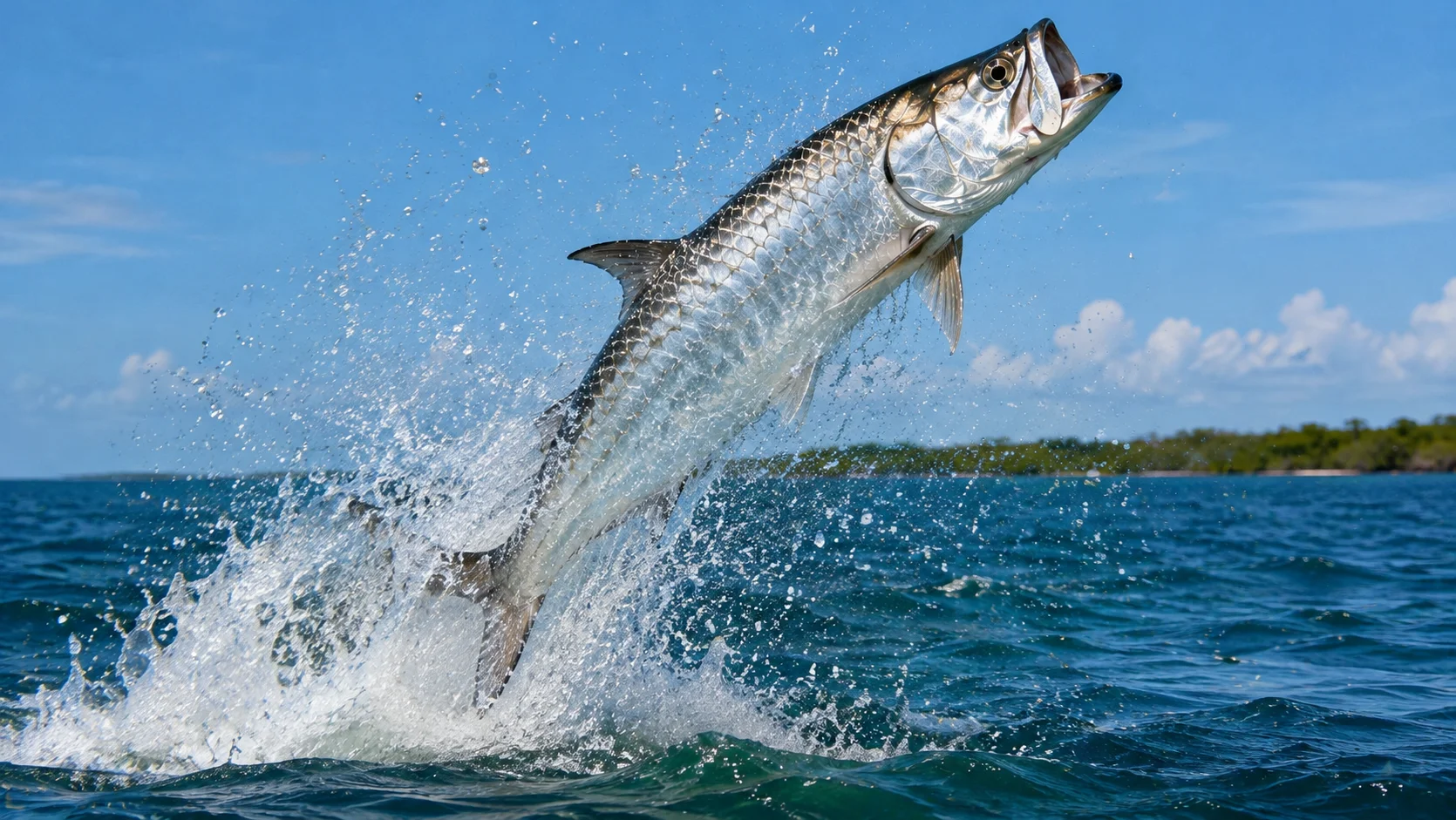 Tarpon are famous for jumping, particularly when hooked by an angler. Their jumps are part of their natural behavior and are also a common response during a fight.
When a tarpon jumps, it may shake its head and body in an attempt to dislodge the hook. This behavior makes landing the fish more difficult.
Anglers often respond by lowering their rod when the fish jumps. This technique, commonly called “bowing to the fish,” helps reduce tension on the line and may lower the chance of the hook coming free.
Tarpon may also gulp air at the surface, which is another reason anglers sometimes see them rolling or breaking the water even when they are not feeding.
Are Tarpon Good to Eat?
Although tarpon are edible, they are not commonly considered a preferred food fish.
Their flesh contains many small bones, which can make preparation and eating difficult. Their strong sporting value also means that many anglers prefer to release them rather than keep them.
In Florida and other popular tarpon fishing destinations, catch-and-release fishing is widely practiced. Anglers can enjoy the challenge of catching the Silver King while helping preserve fish populations.
Always check current local fishing regulations before targeting or handling tarpon. Rules may cover permits, seasons, gear, handling, and whether a fish can be kept.
Tips for Catching the Silver King
If you want to experience tarpon fishing, preparation can make a significant difference.
Choose the Right Season
Tarpon fishing in Florida is particularly popular during the warmer months, although opportunities vary by location and conditions.
Local fishing guides can help identify seasonal movements and productive fishing areas.
Use Suitable Fishing Equipment
Tarpon are powerful fish, so anglers need suitable rods, reels, lines, leaders, and hooks. Equipment should be selected according to the size of the fish being targeted and local fishing conditions.
Understand the Tides
Tidal movement can influence where tarpon feed and travel. Many anglers plan fishing trips around favorable tides and water conditions.
Work With an Experienced Guide
If you are new to tarpon fishing, booking a local guide can make the experience easier and more enjoyable. Guides understand local waters, seasonal patterns, fishing techniques, and safe fish-handling practices.
Practice Responsible Catch and Release
Tarpon are valuable sport fish. Keep the fish in the water whenever possible, minimize handling time, avoid lifting large fish by the jaw, and follow local regulations and guidance.
Frequently Asked Questions
1. Why are tarpon called the Silver King?
Tarpon are called the Silver King because of their large, shiny silver scales, impressive size, and powerful fighting ability. Their spectacular jumps and strength have made them one of the most respected sport fish.
2. How big can a Silver King get?
Atlantic tarpon can grow more than 8 feet long and weigh over 280 pounds. However, many tarpon caught by recreational anglers are smaller.
3. Are tarpon the same as the Silver King?
Yes. Silver King is a popular nickname for tarpon, particularly the Atlantic tarpon. The name refers to their reflective silver appearance and reputation as a powerful game fish.
4. Why do tarpon jump when caught?
Tarpon often jump and shake their bodies when hooked, possibly to dislodge the hook. This behavior makes them particularly challenging and exciting to catch.
5. Where is the best place to catch the Silver King?
Florida is one of the best-known destinations for tarpon fishing. Popular locations include the Florida Keys, Islamorada, Key West, and Boca Grande.
6. What is the best time of year to catch tarpon in Florida?
The warmer months, particularly spring and summer, are popular for tarpon fishing in many parts of Florida. The exact season depends on the location, weather, water temperature, and fish movement.
7. What bait is used to catch tarpon?
Common tarpon baits include live mullet, shrimp, crabs, and other baitfish. Artificial lures and flies are also used, depending on the fishing technique and conditions.
8. Can beginners catch tarpon?
Yes. Beginners can experience tarpon fishing by going with an experienced fishing guide. A guide can help with equipment, bait selection, fishing techniques, and handling the fish responsibly.
9. Are tarpon endangered?
Atlantic tarpon are not generally classified as endangered. However, their populations can be affected by habitat loss, fishing pressure, and environmental changes. Responsible fishing and conservation practices remain important.
10. Can you keep a tarpon after catching it?
Tarpon are commonly released after being caught. In Florida, special regulations apply to keeping tarpon, including requirements for a tarpon tag when retention is permitted. Always check current Florida Fish and Wildlife Conservation Commission regulations before fishing.
Conclusion
Tarpon are called the Silver King because of their brilliant silver scales, impressive size, and remarkable strength. Their ability to leap out of the water, make powerful runs, and challenge experienced anglers has made them one of the most admired sport fish in the world.
For fishing enthusiasts, catching a tarpon is about more than landing a large fish. It is about experiencing the excitement, skill, and natural beauty associated with one of Florida’s most famous game fish.
If you are visiting the Florida Keys, Islamorada is a great place to explore local fishing opportunities and learn more about tarpon. You can also visit Robbie’s of Islamorada to enjoy the area’s waterfront atmosphere and experience its famous tarpon feeding attraction.