
If you love the ocean or are planning a beach vacation, you may be thinking about trying an underwater adventure. Two popular options are snorkeling and snuba. Both allow you to explore the beauty beneath the surface of the water. Both are exciting and memorable experiences.
But which one is best for you? The answer depends on your comfort level, swimming skills, budget, and how deep you want to explore.
In this guide, we will compare snorkeling vs snuba. We will look at how they work, what equipment they use, how deep you can go, who they are best for, and what kind of experience you can expect.
By the end, you will have a clear idea of which underwater adventure suits you best.
What Is Snorkeling?
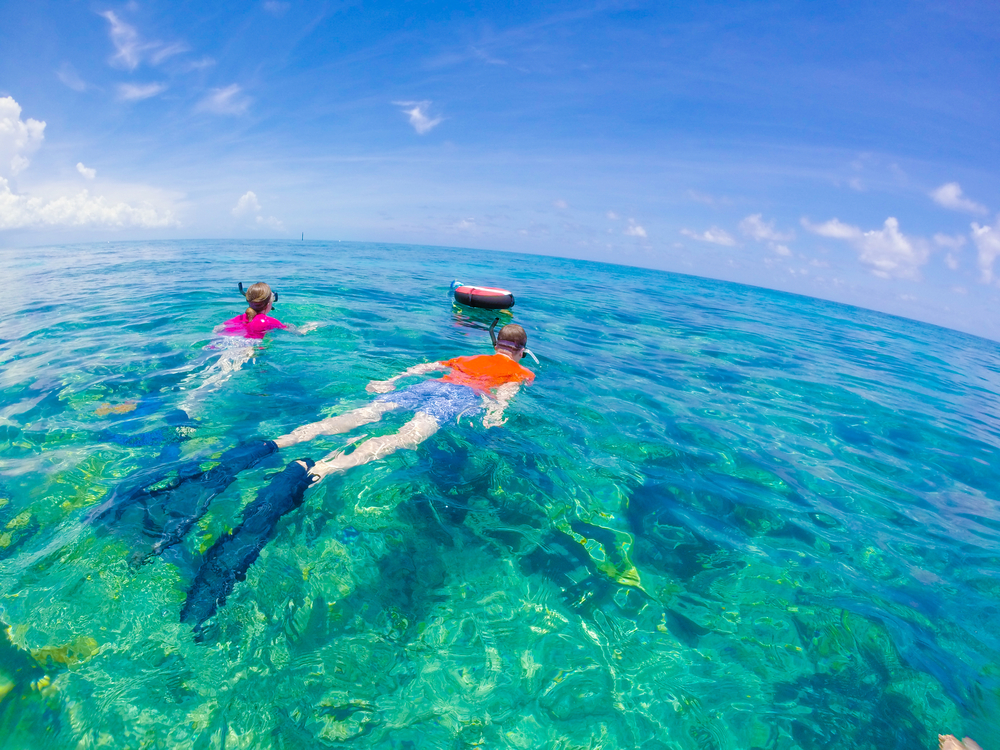
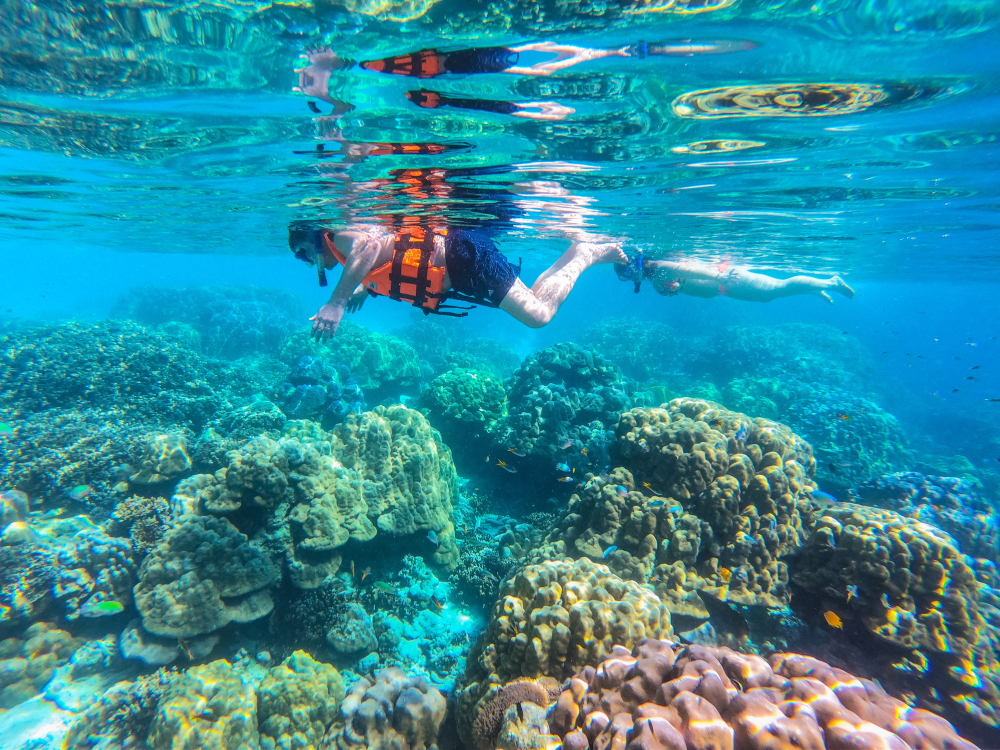
Snorkeling is a surface water activity that allows you to observe marine life while floating on top of the water.
You use basic equipment:
- A mask to see underwater
- A snorkel tube to breathe
- Fins to help you swim
You keep your face in the water while your body stays at or near the surface. You breathe through the snorkel tube, which sticks out above the water.
Snorkeling is simple and easy to learn. Many people try it for the first time during tropical vacations.
What Is Snuba?
Snuba is a mix of snorkeling and scuba diving.
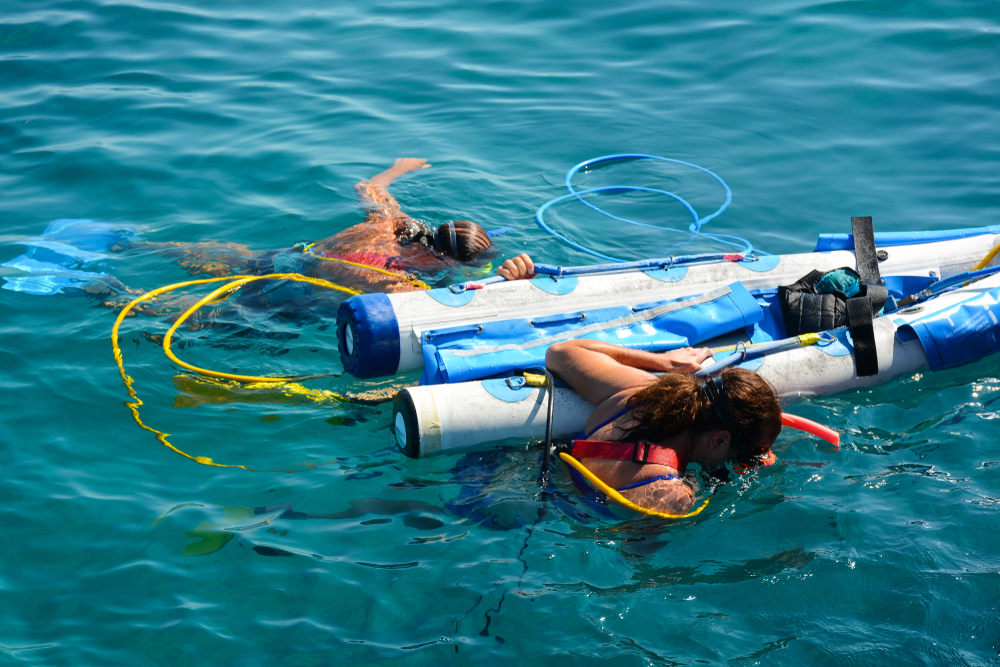
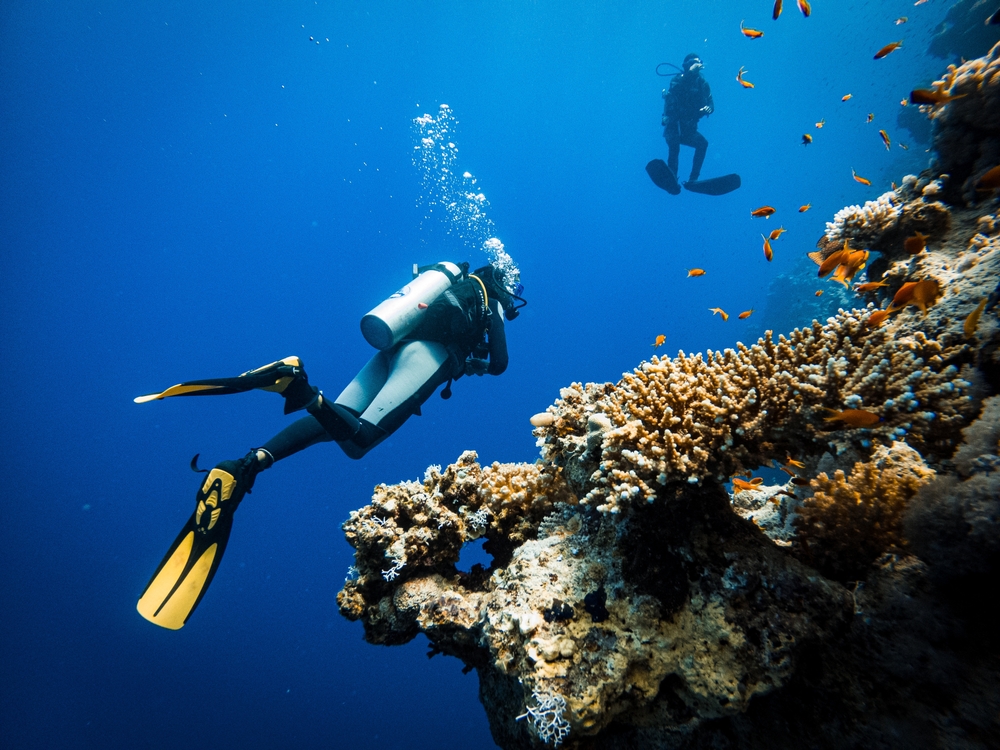
With snuba, you breathe through a regulator like in scuba diving, but the air tank floats on a raft at the surface of the water. A long air hose connects you to the tank.
You do not carry the heavy tank on your back. Instead, the air supply follows you from above.
Snuba allows you to go deeper than snorkeling without needing a full scuba certification.
Snorkeling vs Snuba Comparison Table
| Feature | Snorkeling | Snuba |
| Basic Description | Surface swimming while breathing through a snorkel tube | Underwater exploration using a regulator connected to a surface air tank |
| Equipment Needed | Mask, snorkel, fins | Mask, fins, regulator, air hose, floating air tank |
| Depth Range | Mostly at the surface | Up to about 20 feet depending on location |
| Training Required | Minimal instruction | Short safety briefing required |
| Certification Needed | No | No |
| Breathing Method | Through snorkel tube at the surface | Through a regulator while underwater |
| Physical Effort | Light swimming effort | Moderate, controlled underwater movement |
| Cost | Generally more affordable | Usually more expensive than snorkeling |
| Best For | Beginners and relaxed explorers | Those wanting a deeper, guided experience |
| Age Suitability | Suitable for many ages with supervision | Usually has a minimum age requirement |
| Comfort Level | Easy to lift your head out of the water anytime | Stay underwater while connected to surface air supply |
| Experience Style | Flexible and self paced | Structured and instructor guided |
| Marine Life View | Shallow reefs and surface level marine life | Deeper reef sections and underwater features |
| Availability | Widely available at beaches and resorts | Available in selected tourist destinations |
Equipment Comparison
Snorkeling Equipment
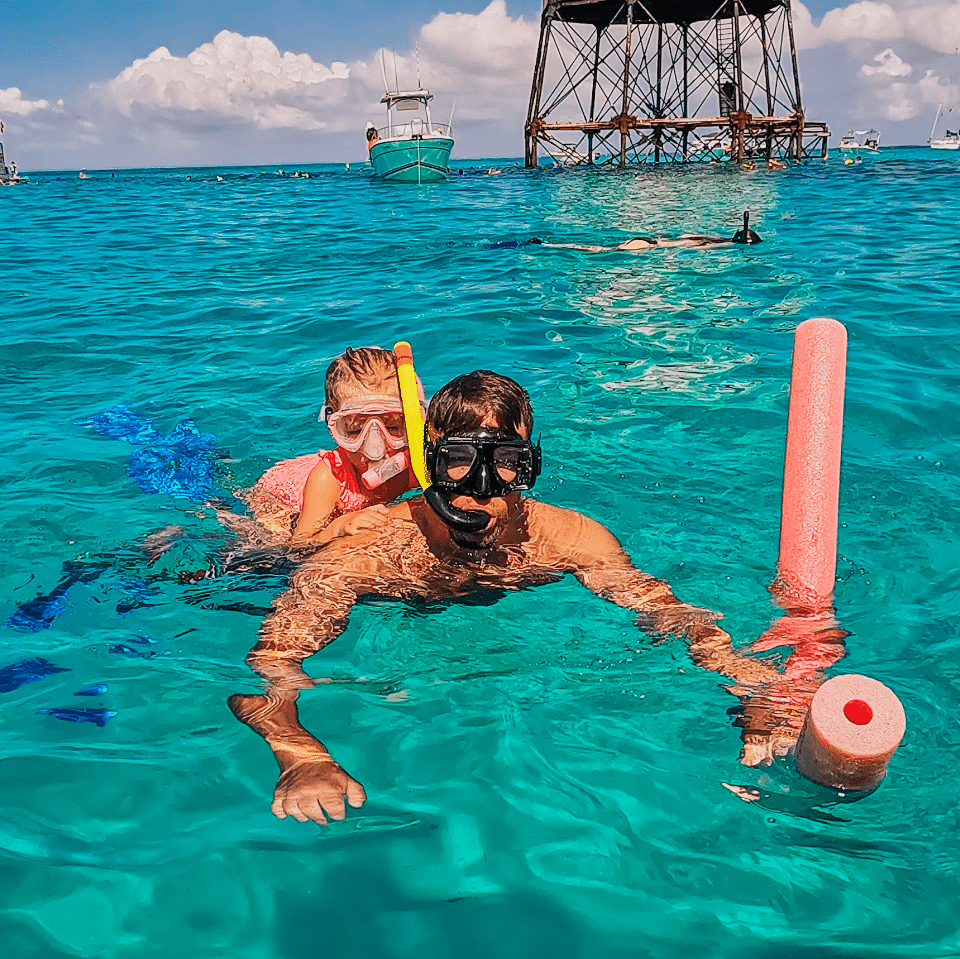
Snorkeling equipment is light and simple. You need:
- Mask
- Snorkel
- Fins
Some people also use a flotation vest for extra comfort.
The gear is easy to carry and does not feel heavy in the water.
Snuba Equipment
Snuba requires:
- Mask
- Fins
- Regulator
- Air hose
- Floating air tank system
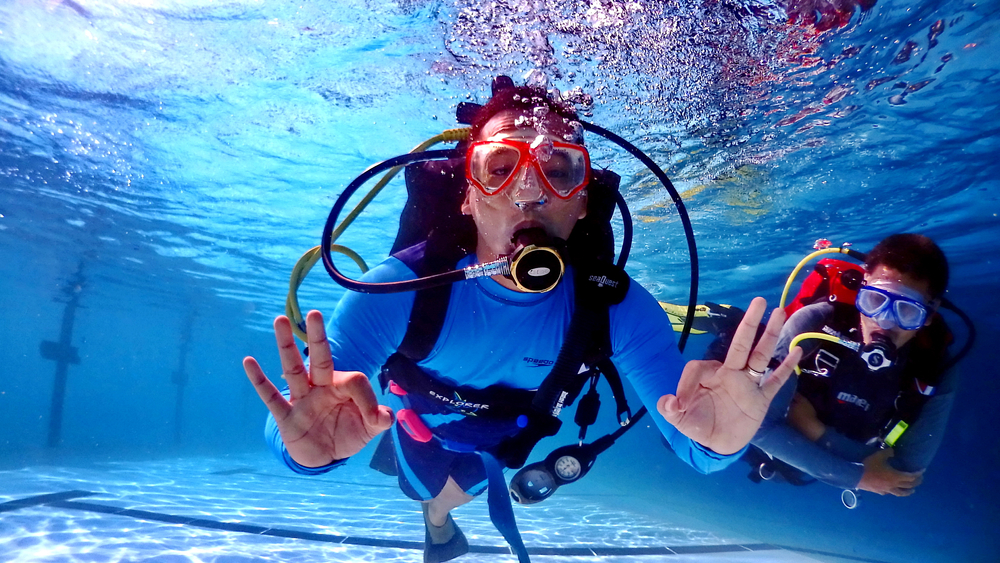
The equipment is still lighter than full scuba diving gear because you do not carry the tank on your back. However, it is more advanced than snorkeling equipment.
Training and Experience Level
Snorkeling
Snorkeling requires very little training. Most people can learn the basics in less than 30 minutes.
You only need to:
- Feel comfortable in the water
- Know how to breathe through the snorkel
- Stay relaxed
Even beginners can enjoy snorkeling with proper supervision.
Snuba
Snuba requires a short safety briefing before you begin. An instructor explains:
- How to breathe through the regulator
- How to clear your mask
- Basic underwater communication signals
You do not need certification, but you must listen carefully to instructions. Since you go underwater at greater depths, safety awareness is important.
Depth Comparison
Snorkeling Depth
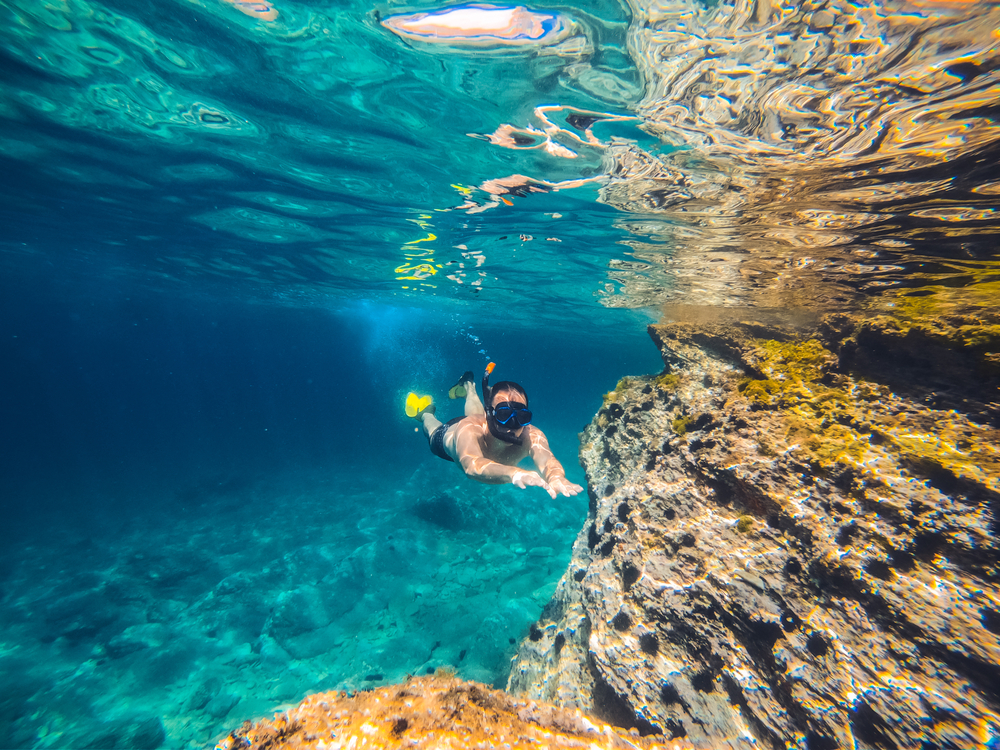
Snorkeling usually keeps you at the surface. You can dive down briefly by holding your breath, but most of the time you float on top.
This allows you to see coral reefs, fish, and underwater plants close to the surface.
Snuba Depth
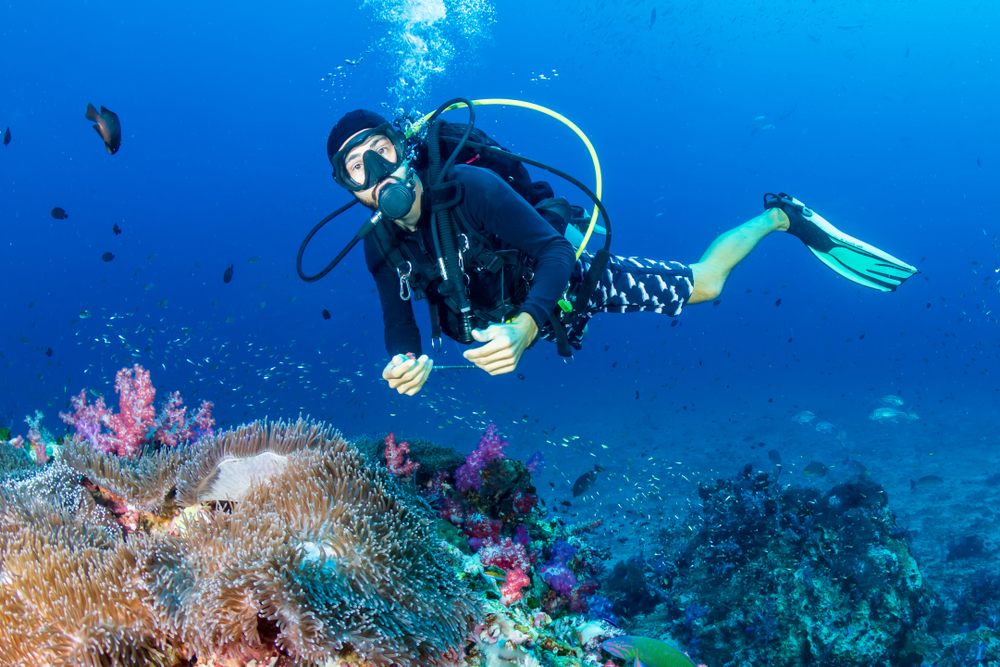
Snuba allows you to go deeper than snorkeling. In most locations, you can descend up to about 20 feet.
This gives you access to marine life that may not swim close to the surface.
If you want to explore a bit deeper without full scuba diving, snuba provides that opportunity.
Comfort in the Water
Snorkeling Comfort
Snorkeling feels natural for many people. You float on the surface and breathe normally through the tube.
Since you stay near the surface, you can easily lift your head out of the water at any time.
This makes snorkeling feel relaxed and flexible.
Snuba Comfort
Snuba offers a different type of comfort. You breathe normally through a regulator while submerged. You do not have to hold your breath.
The sensation of breathing underwater can feel exciting and freeing. However, some people may need a few minutes to adjust to the feeling.
Physical Effort
Snorkeling Effort
Snorkeling involves gentle swimming. You use fins to move through the water while floating.
It can be as active or as relaxed as you choose. You can move slowly and simply observe marine life.
Snuba Effort
Snuba requires controlled movement underwater. You move in a more upright position and explore below the surface.
Because you are diving deeper, you may use slightly more energy than snorkeling. However, you are not carrying heavy tanks, which makes it manageable for most people.
Marine Life Experience
What You See While Snorkeling
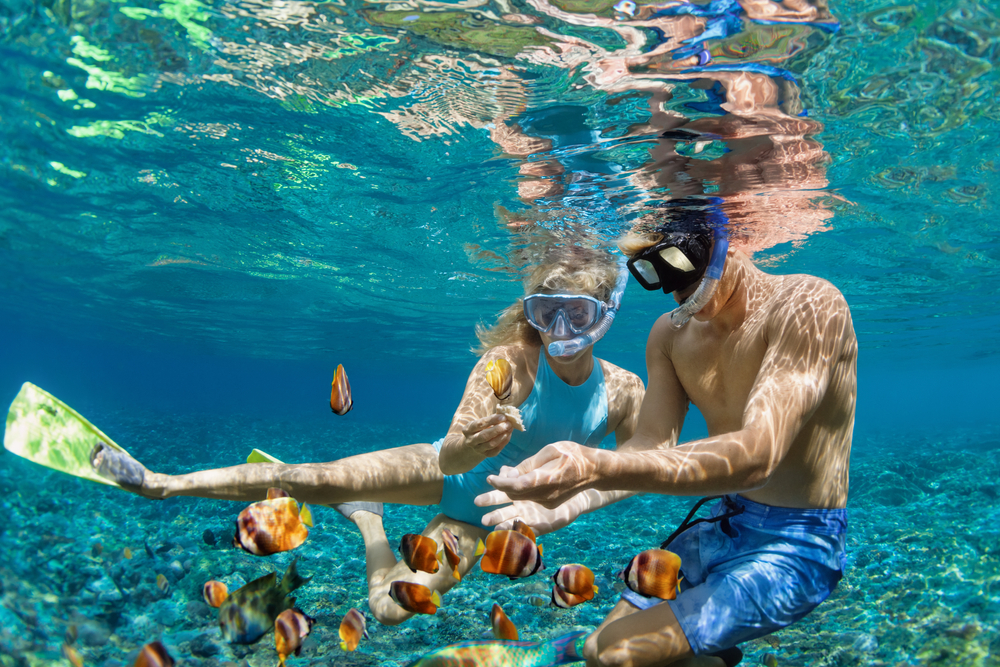
Snorkeling is excellent for observing:
- Colorful fish
- Coral reefs
- Sea turtles near the surface
- Shallow underwater landscapes
Many reefs are located in shallow water, making snorkeling a wonderful way to see vibrant marine life.
What You See While Snuba Diving
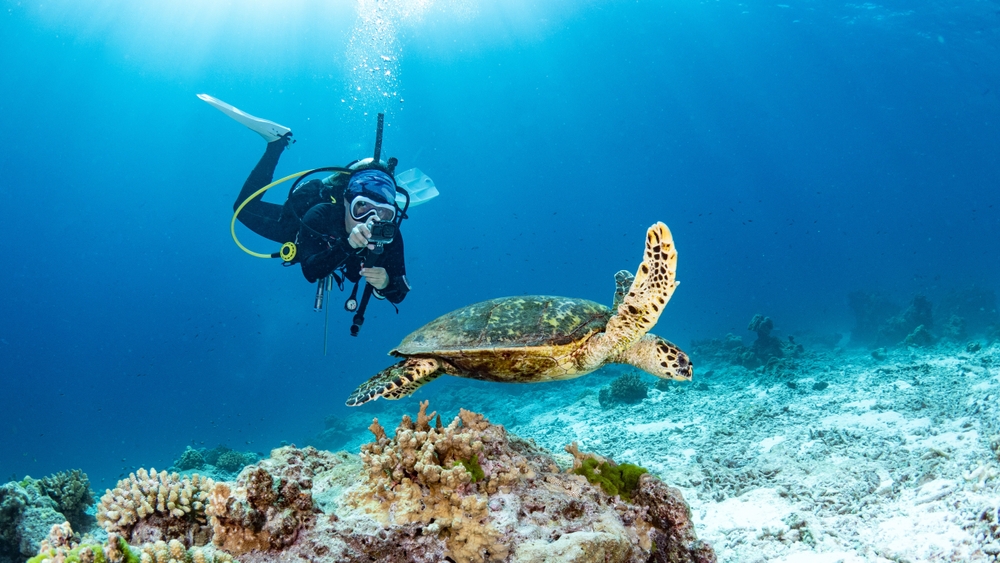
Snuba allows you to explore areas slightly below the surface.
You may see:
- Fish that stay deeper
- Coral formations not visible from above
- Rock formations and underwater structures
The perspective feels more immersive because you are swimming among the marine life rather than looking down from above.
Cost Comparison
Snorkeling Cost
Snorkeling is generally more affordable.
You can:
- Rent gear
- Join a guided snorkeling tour
- Purchase your own equipment
Because the gear is simple, the overall cost is usually lower than that of snuba.
Snuba Cost
Snuba experiences are typically more expensive than snorkeling. The higher cost reflects:
- Specialized equipment
- Instructor supervision
- Air tank system
While it costs more, many people feel the deeper underwater access makes it worthwhile.
Safety Considerations
Both snorkeling and snuba are considered safe when done properly and under guidance.
Snorkeling Safety
Snorkeling safety depends on:
- Calm water conditions
- Wearing proper gear
- Staying aware of currents
- Not swimming too far from the group
It is generally a low-risk activity when done responsibly.
Snuba Safety
Snuba involves breathing compressed air underwater. Because of this, it includes structured safety rules.
Participants must:
- Follow the instructor’s guidance
- Stay within depth limits
- Ascend slowly
With trained supervision, snuba is also a safe and enjoyable activity.
Best for Beginners
Snorkeling is usually the easiest starting point for beginners. It is simple, low-stress, and flexible.
Snuba is also beginner-friendly, but it requires more attention to instructions and comfort with being underwater for longer periods.
If you are completely new to water activities, snorkeling may feel more approachable.
Best for Adventure Seekers
If you enjoy trying new experiences and want to explore deeper underwater without a full scuba certification, snuba can feel more adventurous.
It offers the sensation of diving while remaining accessible to non-certified divers.
Snorkeling is still exciting, especially in areas with rich coral reefs and marine life close to the surface.
Age Requirements
Snorkeling is often available to children, depending on swimming ability and supervision.
Snuba usually has minimum age requirements, often around eight to twelve years old, depending on the operator.
Always check local guidelines before booking.
Time Commitment
Snorkeling tours can range from one hour to half a day.
Snuba sessions often include a training briefing before entering the water. The underwater portion may last around twenty to thirty minutes.
If you want a quick and flexible activity, snorkeling may fit easily into your schedule.
Fear Factor
Some people feel nervous about being underwater.
Snorkeling keeps you near the surface, which can feel reassuring. You can lift your head out of the water at any time.
Snuba involves staying underwater for longer periods. Although you are connected to the surface air tank, the experience may feel more intense at first.
Comfort level is personal. Think about how confident you feel in the water.
Travel and Accessibility
Snorkeling is widely available at beaches and resorts around the world. Equipment is easy to transport and rent.
Snuba is available in selected locations, often in popular tourist destinations. It requires organized tours and trained staff.
If you want something easily accessible almost anywhere with clear water, snorkeling may be easier to find.
Social Experience
Both activities can be enjoyed in groups.
Snorkeling allows you to swim freely around friends and family while chatting above water. Snuba often involves smaller guided groups to ensure safety and supervision.
If you prefer a relaxed group setting, snorkeling may feel more social. If you prefer a guided exploration, snuba may appeal to you.
Environmental Impact
Both snorkeling and snuba participants should respect marine environments.
It is important to:
- Avoid touching coral
- Not disturb marine life
- Follow instructor guidelines
Responsible behavior helps preserve the beauty of underwater ecosystems for future visitors.
Who Should Choose Snorkeling?
Snorkeling may be best for you if:
- You prefer staying near the surface
- You want a simple and affordable activity
- You are new to underwater exploration
- You enjoy relaxed swimming
It is ideal for casual exploration and enjoying marine beauty at your own pace.
Who Should Choose Snuba?
Snuba may be best for you if:
- You want to go deeper than snorkeling
- You are curious about diving
- You are comfortable following instructions
- You want a guided underwater experience
It provides a closer look at marine life while remaining accessible to beginners.
Can You Try Both?
Yes. Many travelers choose to try both snorkeling and snuba during their trip.
You might start with snorkeling to get comfortable in the water. Then, if you feel confident, you can try snuba for a deeper adventure.
Both experiences complement each other and offer different perspectives of the underwater world.
Snorkeling vs Snuba: Which Is Best?
Both snorkeling and snuba offer incredible ways to explore the underwater world. The best choice depends on what kind of experience you are looking for.
If you prefer something simple, flexible, and easy to learn, snorkeling is a wonderful option. It allows you to float comfortably at the surface while enjoying colorful fish and coral reefs. It is ideal for beginners, families, and anyone who wants a relaxed ocean adventure.
If you want to explore a little deeper without committing to full scuba diving, snuba provides a more immersive experience. You can breathe comfortably underwater and see marine life from a new perspective, all while guided by trained professionals.
For those visiting the Florida Keys, places like Robbie’s of Islamorada offer both Snuba and snorkeling experiences in beautiful, clear waters. This makes it easy to choose the adventure that fits your comfort level while enjoying one of the most scenic marine environments in the area.
No matter which activity you choose, both snorkeling and snuba create lasting memories and a deeper appreciation for the ocean. The most important thing is to pick the experience that feels right for you and enjoy every moment beneath the surface.