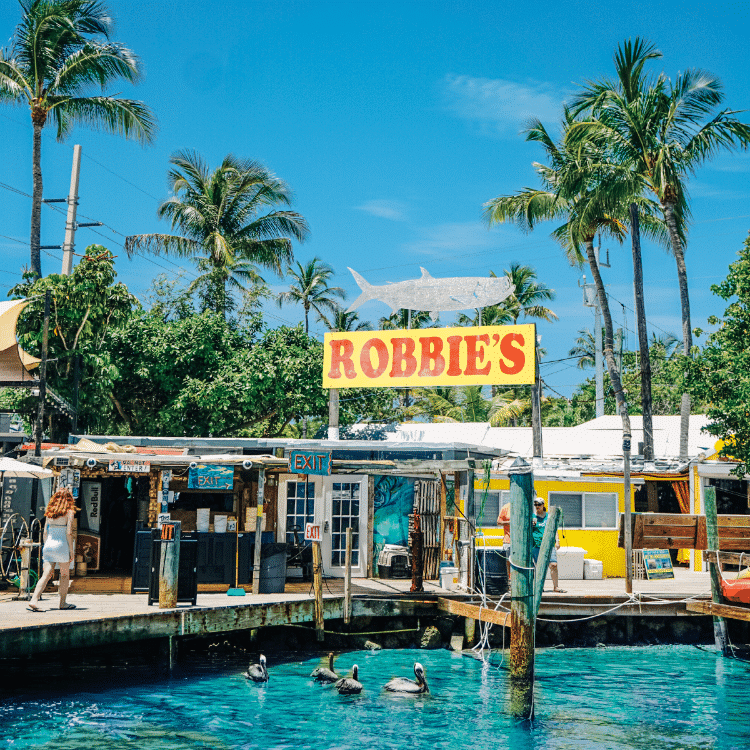



Robbie's in Islamorada
 
 
Reef Report
By Capt. Brian McCadie
October 26, 2008

Winter is finally falling on us! I love this time of year because everything on the reef changes, and in many ways for the better. As a rule the fish get bigger this time of year and for any fisherman that has to be good news. I don’t mean that the average size of the yellowtails you catch is bigger, I mean the kingfish move in, big black groupers start biting, sailfish move onto the reef, wahoo move in closer, etc. etc.

Since this is supposed to be a report, not a prediction I’ll get into what happened last week out there for ya… The yellowtail fishing was pretty good in the 40 to 90 foot range in the daytime. We are finding the fish almost everywhere we fish, but the areas that are routinely hit seem to be better. This is because the more you fish an area with chum the more you feed the school of ‘tails. They learn that you are a food source and will bite better and better the more times you go there. You’ll probably notice if you spend much time on the reef that many of the party boats that are targeting yellowtails fish the same spots day after day after day. The down side to that is that you tend to thin out the population of bottom fish on the spot.

The night time yellowtail bite has remained good too. The fish are good in size and quantity. Capt. Ron is targeting the wrecks in about a hundred feet of water and catching nice “flag” ‘tails. In addition to the main target his customers are also coming up with a few muttons from time to time, porgies, lane snappers, kings and vermilion snappers.

Speaking of kingfish, they are almost everywhere you to right now. Every wreck out there is covered with them, they are up on the reef and even on some of the patch reefs. The hottest bait for them is a live cigar minnow, but if you can’t come by any of them you have a great shot with a whole ballyhoo on a 1 ounce jig head with a stinger hook. Please respect the sharp teeth that these fish have. They are quite dangerous once they get into the boat. They cause many, many injuries to fisherman every year. All those teeth have to do is touch your skin and you’ve get a nasty cut to deal with.

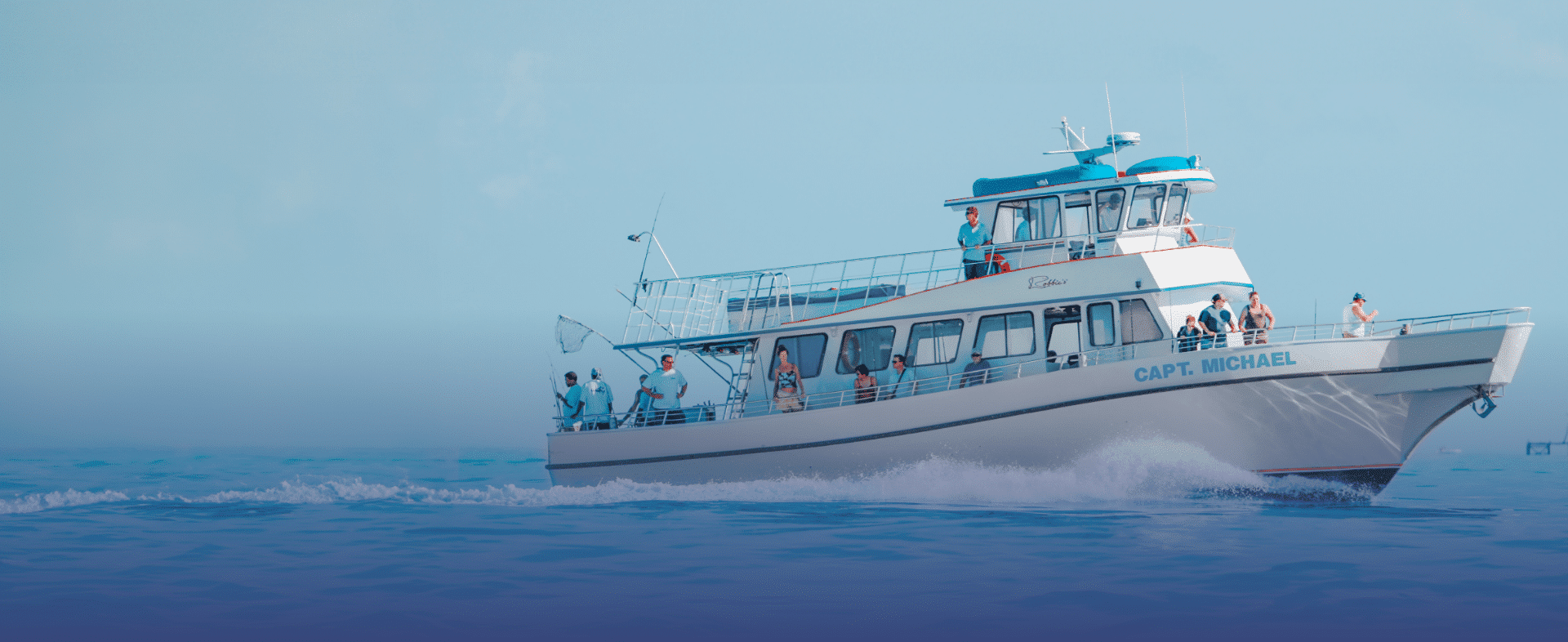
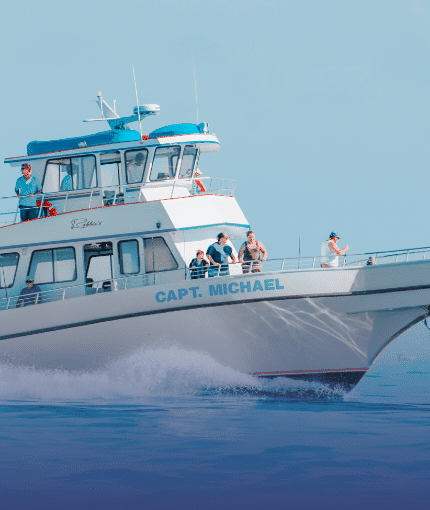
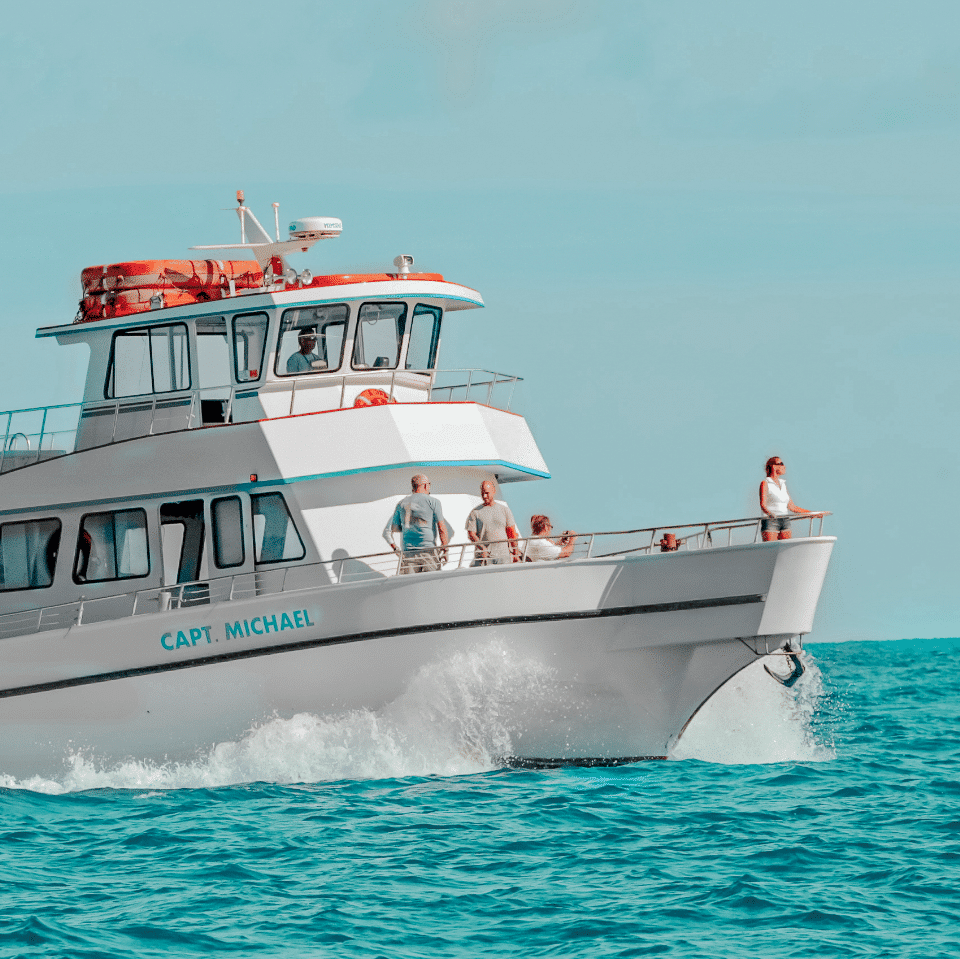
The black groupers are definitely moving around and feeding heavily now. I’ve been talking them up for a few weeks now, and it’s finally happened. If you get onto a wreck out there you can almost bet on getting a few nice grouper bites. Getting them out of the wreck is another story, but getting the bites should be easy for the next few weeks. The prime baits to fish are live grunts, speedos and yellowtails. We caught a handful of nice blacks this week on the Capt. Michael and they came on these baits as well as live cigar minnows and ballyhoo.

The cold weather that is due to hit us this week should really turn things on! Granted, you have to dress a little heavier in order to stay out there, but you should find the reef to be teaming with life!

Capt. Brian


October 19, 2008

I’m extremely excited to say that this past week was a great one for fishin’!!! Pretty much any fish you can name on the reef was biting and well at that. Even a few fish that you don’t always expect to find on the reef, but we’ll get to them in a bit.

The yellowtail snapper bite has been consistent and hot! Day and night we are catching lots and lots of these local’s favorites. The larger fish are certainly coming in at night, but the sheer numbers of fish keep people happy in the daytime. We have been catching them primarily in the 35 to 45 foot range, but we’ve also gotten them much shallower and lots deeper too. Capt. Ron has been catching them on bottom rigs in 150 feet of water on the night trips along with muttons and vermillion snapper. It’s tough to flatline for them in that depth, so most of the big guys that they catch on the flatlines are coming out of 90 to 100 feet of water. As for the baits to fish with, ballyhoo, squid, silversides and shrimp are always great, and when they are biting like they are now you can put almost anything on that hook and they’ll eat it as long as you present it properly.

The next best bite is the mutton snappers. Ron and Nancy White came down to fish with us for a few days from West Palm Beach and along with groupers, mangroves and yellowtails they took home a few very nice mutton snappers. These fish all came on live ballyhoo fished on the bottom in 80 feet of water. In addition to this nice mix of fish Ron also caught a Dog Snapper that weighed 5 pounds. This fish might sound unusual to many of you, and that’s because they are pretty hard to come by in the Key’s waters. They are very similar to a Schoolmaster Snapper, but have a few different characteristics about them. Lutjanus jocu is the scientific name of this fish that can reach up to 30 pounds. They are just as good to eat as any other snapper, but most similar to the mangrove or schoolmasters.

Getting back to the muttons, we caught quite a few others in all different depths this week on pretty much any kind of bait you can imagine. With the abundance of ballyhoo on the reef right now we fished mainly with them for the larger snappers, making that the most productive bait, but we caught them on pinfish, mullet and speedos as well.

The next good bite was the black groupers. They are starting to make the migration that they do every fall in order to spawn and feed on the reef. If you find a spot where these guys are in the next month or so you are in for a treat! Use your heaviest tackle and big, live baits and you should find yourself eating grouper for supper. If you a beginner to groupers in the Keys, the edge of the reef is a good place to start. Find the edge and just start cruising up and down until you mark large fish on or near the bottom.

Kingfish are biting on everything you throw at them right now. They are being caught up on the reef and out into 300 feet of water on live bait, dead bait, butterfly jigs, whip jigs, crank baits, and etc. etc. I saw the Islamorada Lady come in with a nice catch of kings on Wednesday. Capt. Jeff Everson said that they caught them all on live cigar minnows with a treble hook. He didn’t mention what depth they found them in, but he did say that he found them almost everywhere they went. They also caught a few nice “gaffer” size dolphin that day as well. They found dolphin in 30 feet of water, but they wouldn’t take a bait. They found the ones that they brought back to the dock in about 150 feet.

Early in the week while yellowtailing and bottom fishing in about 90 feet of water right on the edge of the reef a 35 to 40 pound wahoo cruised through out chum slick checking out the action of blue runners, yellowtails and ballyhoo feeding on chum. Fortunately we had a few speedos in the well, so I threw one on a wire leader right in front of him. After inhaling the bait in one bite the fish darted straight under the boat and ended up becoming tangled in numerous lines and broke off. It was unfortunate, but that’s how it goes on a boat with lots of lines in the water. You are bound to lose a few fish to tangles.

So that’s my week in a nutshell, I only hope this upcoming one is just as exciting!

Capt. Brian


October 12, 2008

Well, let’s start with the hottest bite and work our way down to the less active fish… Yellowtails are biting great right now in the day and dark. I see every single charter boat that I walk by throwing ‘tails on the dock by the dozens, and the Capt. Michael which I work on is doing the same. The hottest depth range seems to be 35-40ft. right now in the daylight. The fish aren’t monsters, but they are definitely quite respectable. The 14 to 16 inch range is most of what we are catching right now. Of course we all want to be catching those 5 pounders in which are 28 to 30 inches long, but anytime you don’t have to measure a single fish and you go home with close to a hundred fish you did pretty well. The way we tend to fish on the Capt Michael is to go to and area with tons and tons of those 1 to 2 pounders and catch them until everyone on board has a nice dinner confirmed, then head out deeper and look for a few monsters. Let’s face it, if you could just go out and catch 5 pounders at will, don’t you think you would just do that and skip over the smaller fish?

I can’t talk about any 5 pounders this week, but the night fishing has been producing ‘tails that are double the size of the daytime fish every single night. Capt. Ron who is the night skipper of our boat has been hammering the wrecks just off the reef and sending his customers home with ‘tails averaging 3 pounds! That’s really a nice average for the Keys. Plus, underneath those big yellowtails are mutton snappers, goliath groupers and black groupers. Plus you can always target a kingfish in those depths as well. When I mention that the night guys are beating up on big ‘tails most people usually ask “why don’t we fish there in the daytime too?” The answer to that question is two-parted. First, we do fish those same wrecks in the daytime and the fish are much harder to catch because they are old and wise and they see your line and hook or jig when they sun is on their side. Secondly, fish move. A wreck may hold 3 to 4 pounders by night, but in the daytime you have to measure every fish you catch because they are so small. That’s not always the case, but it does happen quite often.

The bottom line: If you want catch great numbers of yellowtails, fish in the daytime, if you want to catch BIG ‘tails fish at night right now.

The next best thing this week was the king mackerel, or kingfish. We found them biting quite well in the 100 to 230 foot range. I can’t say that I saw any monsters come back to the docks this week, but the numbers of fish brought in were quite nice. The largest fish I saw came off of the Contagious with Capt. Brian Cone and mate Alex Murphy out of Robbie’s Marina. The fish was about 20 pounds and it ate a live cigar minnow. These fish can reach 90 pounds, which is the current world record, but the average size in Islamorada is about 8 pounds. Although this doesn’t sound all that big and fun, on 20 pound tackle an 8 pound fish is quite a fight. They are known to make a vicious run when hooked, then come to the path of least resistance until they see the boat, which sparks them to make another hard run down and usually down current. After that “boat run” you usually have them beat. When gaffing these fish remember that they almost always make a circle at the surface, so you can plan on that when setting up to stick a hook in them as your fishin’ buddy leads them to the surface.

I also saw the “Fishin’ Pole” and “Blue Heaven” come back to the dock with plenty of kings the last few days. Not to be out-done the Islamorada Lady II came in with a box full of kings that they caught with live “cigars”. Capt. Jeff Everson told me “they were biting so well they were fighting over the baits” after he and mate Joe Saba got in from a charter last week.

The other snappers such as lanes, vermilions and yellow-eye weren’t quite as frequent of a visitor to our dock this week. This could be due to a lot of different reasons, but the main one is that the ‘tails were biting so well that we didn’t need to target them. If I had to guess, I’d say the lanes are snappin’ just as well as they did last week.

It’s getting close to that time of year when the big groupers bite! Get your heavy tackle ready and go buy some 10/0 triple strength hooks to prepare, because when they chew, it’s quite a shame to miss it because you didn’t get ready ahead of time!

Remember the size limit on blacks and gags is 24 inches overall length. If you are fishing on the bay side you can knock 2 inches off of that length, but on the reef it’s 24. The goliath groupers are getting quite prevalent lately and you really need to know the difference between them and a black, gag or red, so please either study your fish or carry an I.D. book with you when you fish.

Thanks for reading,

Capt. Brian


October 6, 2008

Just when I start to formulate a pattern for you readers the fish always have a way of making my bite my tongue. The last few weeks I told you that the yellowtailing really wasn’t very good, where-as this week it was very hot! We had a couple of tough days due to poor conditions, but for the most part we were able to put a real hurtin’ on the ‘tails every day. As usual, they were biting on everything from ballyhoo to squid and silversides.

Not only did we do well with the yellowtails this week, we also caught lots and lots of lane snappers and porgies. Most of the lanes came from the 90 to 185 foot range while fishing various pieces of debris on the bottom such as small wrecks, man-made structure and natural coral heads. These fish come on almost exclusively squid and ballyhoo on our boat, but that’s not to say that they don’t eat other baits. In fact, they tend to eat that because that’s all we fish for them with. If you had shrimp, sardines or flying fish they would eat that too. The lane snappers that we caught this week averaged about ¾ of a pound or so and maxed out at 3 pounds. I know that’s not exactly a huge fish, but they are amazing on the dinner table and are quite easy to catch on those days when the reef just isn’t going to make your day.

I had the pleasure of fishing with some long time Robbie’s customers this week named Dave and Carol Young. They came out on the Capt. Michael with us this past Tuesday and had a fabulous day of yellowtailing and also came up with a few nice lanes. Then, on Friday Captain Arek Wujcek and I took them out on his boat the “Fishin’ Pole” for a day of charter fishing. The two main targets of the day were vermillion snapper and hogfish. Mr. and Mrs. Young do a lot of chartering and they had had enough of dolphin, tuna and amberjacks, so we decided to go after some lesser targeted species. We had a rather tough time with the vermies, although Carol caught one that pushed the 4 pound mark, which is respectable anywhere you go and they also boated a few smaller ones too. While trying for the verms in 300 feet of water Dave was able to out match an amberjack in the 25 pound range in addition to a couple of blackfin snappers which didn’t make the legal mark.

After this deep water fishing we changed the program completely as we headed into 20 feet of water to target hogs. Fishing with live shrimp and using dead shrimp for chum we caught lots of non-target species such as yellowtails, muttons and red groupers. When it was all said and done we boated 10 or 11 hogs and were able to keep half of them. As you can tell, we didn’t have a huge box full of fish, but it was fun to target species of fish that you normally don’t go after and succeed in boating them.

The kingfish bite has been red hot for this early in the year! I really hope that this is a sign of how this year is going to be for kings. If so we should have quite a fun winter. Every charter boat that fishes for them has been slaying them and on the Capt. Michael we caught more kings this week than we have in the last 4 months. We caught most of them on thawed out ballyhoo, but a few came on live goggle-eyes or pilchards. We were successful in kingfishing both anchored and drifting, however there is no doubt about the fact that drifting was far more successful.

All of these fish came from 100 to 205 feet of water. This is the general range that you would want to look in if you were in search of kings with no experience kingfishing in the Keys. Remember to rig with wire as these critters have razor sharp teeth!

We at Robbie’s would like to welcome a new captain to our staff on the Capt. Michael. Capt. Billy Tyree has joined us after being the skipper on charter and party boats from half way up the East coast of Florida all the way down to Marathon. All of this experience in addition to a full career in the U.S. Navy has set Capt. Billy up for a strong future in our organization. Welcome to the team, Billy!!!

This warm weather is coming to an end, so get out there and take advantage of it while you still can,

Capt. Brian


September 29, 2008

I kept a close eye on what the other boats in our marina were doing this week in order to give you an accurate reef report. From these observations I can tell you that pretty much every species of reef fish is biting right now, including some pelagics like the sailfish!

As far as the Capt. Michael goes we were able to find a moderate yellowtail bite this week. It certainly wasn’t an amazing one, but each trip we were able to produce some ‘tails for our customers. Although the water temperature is still nice and high (even too high) the spawn has ended for certain. You may have heard me talk about the mangrove snappers a lot this summer. One big difference between ‘tails and mangroves is that when the grovers are done spawning the bite drastically decreases as the numbers of fish on the reef gets cut by at least 70%. The yellowtails still live on the reef, at least almost all of them anyways, which makes them still very catchable all year round. We did find them biting both day and night in about every depth that we fished inside of 120 feet.

As for other fish that we found biting… the lane snappers are still chewin’ well on wrecks and other structures off the reef in the 90 to 170 foot range. It’s a bit difficult for me to write about the lane snappers because they are SO structure oriented that if you don’t get numbers to where they live from someone who already found them you could spend months looking for a wreck or rock pile that holds them. Fortunately for me, thanks to previous captains in the Robbie’s company I know of many of these spots and can catch the lanes fairly frequently. They are similar to the yellow-eye snappers in the deeper water in that you rarely catch one, but when you find them you hit the mother load. As a captain I really enjoy targeting lanes because they are so structure based that in order to catch them it’s all on the captain putting the customers on the spot, as opposed to yellowtail fishing where you just have to get close and let the chum and anglers do the rest. If you come back to the dock with a nice catch of lanes you know that you did something right and it wasn’t just because you had a bunch of great fisherman on board.

The best day we had for lanes was on Monday when we had a private charter on the boat from Allied Roofing and Metals. The owner and employees came down from the Fort Lauderdale area for a bit of relaxation and fishing after having finished up a hard summer of work installing roofs and hurricane shutters. They were able to catch a box full of lanes, mangrove snappers, king mackerels, muttons, yellowtails, porgies, margates and bonita. When it was all said and done the boys from up north went home with more fish than they knew what to do with. It was a lot of fun to see those guys kick back and have a little fun on a boat instead of scaling roofs in the blistering sun all day!

In addition to the fish that we caught that day we also had a sailfish in the 50 pound range swim within 15 feet of the transom of the boat while we were yellowtail fishing. I placed a live goggle eye twenty feet in front of the fish as it swam away from the boat and it “lit up” in excitement as to the meal it was about to eat only to turn away at the last second. Unfortunately the rig that the goggle eye was on included a wire leader that spooked the trophy billfish away. Sometimes you just wish you had taken that extra 5 seconds to change rigs when things like that happen, but that’s the fun of fishing, you never know what’s coming next!

Just like us, the other boats in our marina had a tough week business wise but a great one for fishing. The Islamorada Lady II skippered by Jeff Everson went out Friday and brought back flag yellowtails and one sailfish release flag. They saw 3 sails and shook hands with one of them.

The Fishin’ Pole from Robbie’s had an amazing day of vermillion snapper fishing in about 225 feet of water. I saw Capt. Arek fillet about 30 “vermies” averaging 2.5 pounds on Friday afternoon. If a 2.5 pound average doesn’t sound very exciting to you, trust me, these fish are tougher than you might think and bringing them up from that deep can be quite difficult, especially when you get 2 or 3 at a time. Plus, in addition to the snappers they caught sharks and amber jacks. The jacks were in the 20 pound range, which isn’t huge, but it will certainly make you break a sweat! Not to mention they’re hard to beat smoked!

I also saw Capt. Skye Stanley on the charter boat Blue Heaven with nice catches of yellowtails, kingfish, muttons, mangroves and a grouper or two. Skye has been quite successful as of late on the reef, maybe we’ll get him to join the team on the Capt. Michael and make a career out of reef fishin’!!!!

Best of luck to you reef anglers,

Capt. Brian


September 23, 2008

If you read last week’s report you remember that the night fishing was really, really good the week prior. That continued this week until about Thursday night. Things were real good in about 100 feet of water for yellowtails and 120 feet for lane snappers, porgies and a few king mackerels. Up on the reef the patches were good for smaller yellowtails, mangrove snappers and all the usual action fish.

After Thursday the bite slowed down a bit and you had to hunt around to put a catch together. That’s not to say that the fish weren’t there, but they sure didn’t jump into the boat very readily.

In the day time we had a bit of a tough time on the reef, but the deep water was red hot! The main deep water catch was lane snappers. The most productive day was Saturday when Captain Ron took his customers to about 150 lane snappers, 50 porgies, a handful of yellowtails, a real nice hogfish and a few kingfish. It’s always fun in the deeper water because you just never know what’s gonna come up next. You find mutton snappers out there, groupers, hogfish, porgies, vermilion snappers, blackfin snappers, etc. It’s always fun to be guessing what’s coming up on the line before you see it.

On Friday Capt. Chris King had a good day of yellowtail fishing in about 35 feet of water. He said that the conditions were tough, but with only 2 customers on board he was able to make it happen. The current was running out the side of the boat, so it was easiest for him to only put one line in the water at a time. This works on a charter boat, but on a party boat its kinda tough to convince 20 people to only put one line in the water at a time. It took Chris a bit of time, but he was able to coach his customers into catching their limit of yellowtails and going home with smiles on there faces. If you would like to fish with Capt. Chris King you can reach him at 305-664-8070.

Capt. Skye Stanley had another outstanding day this week with 4 black groupers over 15 pounds on the first 4 baits his customers dropped down. They were fishing in about 90 feet of water on the reef using dead baits. Skye said that after catching the four they dropped another bait down and it also got hit right away, but that fish got into the rocks and broke off. When this happens that fish sends out warnings to the other fish in the area and it can shut off the bite. That’s exactly what happened this time. The fish were clearly very fired up to bite, but breaking off that one fish shut the bite off like a light switch. In addition to these nice fish they also caught yellowtails, kingfish and mangrove snappers. Capt. Skye has been having great luck lately, and you can find him at the same phone number as Capt. Chris.

This is a great time of year to fish, because there isn’t many boats on the reef and the fish are still biting well. Soon we will hit that transition time when the fishing slows down a bit, but for right now it’s still very exciting out there!

Come on down to Robbie’s Marina this weekend and enjoy our Islamorada Sport Fishing Festival where you’ll find vendors, seminars, a fishing tournament and all sorts of fun and games!

See you this weekend,

Capt. Brian


September 14, 2008

I can only assume that I am not alone this week when I tell you that we didn’t get to fish as much as we would in a “normal” week. All of these storms and the fact that it is our typical slow season are adding up to a whole lot of socializing and boat repairs. It is almost a blessing in disguise this time of year because you get a chance to catch up on all of those little things that broke this past summer when you were too busy to get to them.

When we did get out fishin’ we came to one conclusion for certain… the night time is definitely the time to fish right now. Days have been ok, we’ve caught some yellowtails, lane snappers, mangroves and short black groupers, but nothing like the night bite. At night Capt. Ron is catching yellowtails by the barrel full in about 100 feet of water. The reports that he is giving me are that the fish are all between 1 and 3 pounds, biting on any kind of bait imaginable and at any level in the water column.

In addition to the ‘tails he has been reporting muttons every night as well. Mainly small keepers, but a couple of big boys have been thrown on the dock too. Most of them have been coming on ballyhoo plugs, while a few ate flatlines while people were targeting yellowtails, while a couple of them came on pinfish.

As I am writing this the moon is big and full. This good night fishing is a bit odd considering the moon phase, but we aren’t gonna complain if the bite is better than expected! The big bright moon does help explain why the yellowtails have been biting so well on the bottom lately. Ron has been reporting that the folks fishing the bottom with strips of squid have been producing as many ‘tails as the folks flatlining on the back of the boat. I find that when the moon is bright the yellowtails tend to stay very close to the bottom to avoid predation by kingfish, sharks, groupers, etc. When the moon is dark they are a lot more likely to feel comfortable climbing the water column to feed in the chum slick.

One thing that was a surprise to most of us was the clarity of the water after Ike passed by. When Hurricane Gustov slid past us the reef and even water out to 300 feet of depth was stirred up and murky for a week. This time the dirty water didn’t even extend out to the edge of the reef, making the reef fishing no better than if the storm hadn’t even come our way. I found that Gustov was much better for the fishing than Ike was.

There was a line of dirty water though and Captain Skye Stanley from Blue Heaven Charters took advantage of that on Friday morning. He has a charter of 1 customer who wanted to strictly bottom fish for muttons and groupers. Although he didn’t find any groupers to be biting they did catch there limit of muttons! This was all done in about 18 feet of water on 20 pound spinning tackle. You might think that they were all small fish, but they ranged from 6 to 15 pounds. I don’t care who you are, you have to be impressed by that! If you are interested in fishing with Capt. Skye on his 32’ Regulator you can call him at 305-664-8070.

Most of the boats that have fished out of Robbie’s have been going offshore, leaving me with little to work with as far as a reef report, but hopefully what I was able to come up with has given you a good idea of what’s going on out there. Basically, nights are great and when the water is dirty the day time has been hot as well.

Good luck out there,

Capt. Brian


August 26, 2008

As we all know Tropical Storm Fay passed over us last week. On the negative side business has taken a hit during a year that has already been sub-par. On the positive side it stirred up the water on the reef making the fish bite better than they have in weeks. Mangroves, yellowtails, red and black groupers, mutton snappers and every other fish out there have been very abundant.

Sunday was the highlight of the week for the Capt. Michael Party Boat. Our morning trip was as good as you can ask for! We came in with 15 mutton snappers, countless yellowtails, a handful of mangroves and we had the chance to release 2 black groupers and about 5 red groupers. We pretty much couldn’t go wrong no matter what we did. I would have to say we released another 30 muttons that day to go along with the 15 we brought in. Those fish all came out of 87 feet of water and were eating anything and everything.

Prior to Sunday we had mostly good trips, with a couple of tougher ones thrown in there too. On Wednesday we had very strong current making it difficult to target yellowtails any deeper than 80 feet, but when we did try it the fish we found were big! It was tough fishing but when you got a fish on you knew it was a nice one. Once we decided that the current was a bit too much out there we came into a bit shallower waters onto a patch reef where we came up with respectable sized ‘tails, porgies, one mutton snapper and a splattering of other bottom fish. A young lady on the boat hooked into something huge at that spot which ended up spooling a reel which had about 500 feet of 50 pound test on it. We were just inshore of the edge of the reef on 32 feet when she hooked it, and it ended up running out off the reef and never stopping. In my opinion it was either a goliath grouper or stingray. It’s tough to say which but I’d put my money on one of those two.

The bite at night was pretty similar to that of last week. The main spawn is over, so the snappers aren’t jumpin’ over the rail one after another, but Capt. Ron has been hunting around and finding patch reefs with nice mangroves, muttons and yellowtails. Although the numbers of fish are smaller than they were a month ago the quality is higher. It’s getting to be that time of year where the number of people on the boat is far fewer, giving the captain more ability to hunt and find new spots and bigger fish for the 10 or 12 people on board. We all know that slow season is just around the corner which is tough on our checking accounts, but at least the fishing can be more fun for us.

It looks like the storm cells out in the Atlantic are lining up one after another, so get out there any chance you get and find yourself some fish. All in all they are biting well!

Capt. Brian


August 19, 2008

As we all know, Tropical Storm Fay hit us on Sunday night and Monday this week. I was really looking forward to fishing right before the storm hit, as usually the fish are absolutely suicidal at that time. Unfortunately, I didn’t get to fish on Sunday, as the storm seemed to scare off all of our business. Plus, we had 6 hours of preparation for the storms to do, which eats up the better part of the day.

Earlier in the week we did get to fish our regular schedule however. The main thing we have found is that the mangroves have all but stopped biting, even at night. Three weeks ago we were catching 150 to 200 mangroves a night. This past week our average was around 40. The daytime averages have dropped even more so than at night. Basically, the summer spawn is over, but that’s no reason to stop fishing!

The yellowtails are still biting really well at night according to Capt. Ron from the Capt. Michael party boat. He has been able to find them in the shallow patch reefs, on the edge of the reef and on wrecks in deeper water as well. Friday and Saturday nights were a bit slower than normal for the ‘tails due to the big bright full moon. However, I would expect the bite to get good again by this next coming weekend as the moon darkens again. The phase of the moon going from full to new is always the best here in the Keys for snappers of all kinds. This is going to be a good couple of weeks for you yellowtail fisherman.

Mutton snappers have been finding there way into the Fishin’ Pole’s box lately along with kingfish. The muttons that Capt. Arek is catching are mostly coming from structure in water deeper than 100 feet. He’s catching them on all sorts of baits, but it seems like a cigar minnow plug was the hot ticket as of late. A plug is when you cut off the head and tail of a dead bait and fish with nothing but the good stuff. Typically speaking you want to hook the bait in one end so it doesn’t spin on the way down and tangle up your line. Plus, hooking it there will present the bait to the fish in a more natural way.

Many kingfish are being caught right now as well. The Islamorada Lady II caught them using live cigar minnows, pilchards and ballyhoo. Every bait they put down was alive and kickin’, but that’s not to say that you couldn’t catch them on a dead ‘hoo as well. Usually when the kings are chompin’ you can get them to eat almost anything.

Another captain from the Robbie’s dock took a charter down to waters off of Duck Key to target black groupers. He said that they had at least 6 quality bites, but nothing to show for it. They were fishing with live grunts, cut bonita and live ballyhoos. “The fish were there, we just couldn’t do anything about it.” Those were the words of the Cap.

With the moon darkening and a large storm having just past this should be a great week to get out and hit the reef a bit. I would expect the ‘tails to be biting well and the muttons to be hungry as well. As long as the current has subsided a bit from last week you owe it to yourself to get out there and target the big muttons in deep water.

Thanks for reading,

Capt. Brian


August 12, 2008

Well, the annual snapper spawn has definitely reached and passed its peak. The fishing is still quite productive, but it is has slowed down dramatically from last week. The day time mangrove bite has all but ended. We are still finding a few fish here and there, but I wouldn’t get too excited about targeting grovers in the day time right now. As for the night time the fish are still biting but we haven’t caught our limit in about a week. If you have been reading the past few weeks you remember that we have been catching our limit and coming home a few minutes early every night. This week that’s changed, unfortunately. That’s not to say that you can’t still catch fish out there, it’s just not what it was around the new moon.

The yellowtails are still pretty consistent on the night trips right now. Capt. Ron from the Capt. Michael likes to fish for the bigger ‘tails on wrecks off the edge of the reef as opposed to the 12 and 13 inch fish you mainly catch on the reef at night. He has been catching fish of high quality and decent numbers. The numbers of yellowtails coming back to the dock are lower than normal, but that’s only because the boat is only targeting ‘tails for an hour or so before heading to where the mangroves spawn. You catch a few yellowtails amongst the grovers, but most of the fish brought on board are the toothy mangroves.

The Fishin’ Pole out of Robbie’s brought in a handful of really nice mutton snappers mainly from night trips. Capt. Arek has been hitting structures in the 120 to 230 foot depths with ballyhoo, pilchards, cigar minnows and pinfish to hook his customers into muttons from 5 to 16 pounds lately. The current has been incredibly strong lately which makes it tough to fish these depths, but it also seems to turn the fish on and make them bite.

Kingfish have been coming back to the dock in surprisingly large numbers as of late too. You don’t usually think of kings this time of year, but they sure are chompin’ out there on the edge of the reef and any wreck over 100 feet! Most of the fish are in the 4 to 10 pound range, but I have seen a few “smokers” hanging on hooks too. The hottest bait has been a live cigar minnow, but ballyhoo are working as well as pilchards. While targeting kingfish on Saturday the Islamorada Lady II had an opportunity to cash in on a sailfish. Capt. Jeff Everson said the fish ate a live cigar minnow on a 20-pound spinning rod. Just like the kings, you don’t normally expect to catch a sail on the reef this time of year, but when you’re out there you have to be prepared for anything at anytime. That fish came out of 90 feet of water just off the edge of the reef.

Once that full moon shines in the sky the mangrove snapper bite is going to pretty much turn off, so get on out there and catch ‘em while you can!!!

Capt. Brian


August 4, 2008

The night bite is on!!! Out of the last 11 nights of fishing we (Capt. Michael Party Boat) have limited out on mangrove snappers 9 times! One of the two nights that we didn’t we still had over 100 fish in the box. We are catching the fish on every kind of bait you can name. They are being caught on the bottom, on the top of the water, and suspended. If you are fishing where the fish are, it doesn’t matter what you use for bait or how you fish it.

I’d say the biggest fish we caught this week was about 6 pounds, while we had a few more over 5. In Islamorada the average size mangrove is about 2 pounds during the spawn. There are certainly bigger fish out there, and there are ways to target the bigger ones, but for the style of fishing that we do on the “Michael” it’s the quantity that we target, not so much the size. It’s our goal to catch as many fish as possible for every customer on board. Basically I’d rather catch 180 one to three pounders than 40 four to five pounders. The beauty of it though is that you can still come out and target the bigger fish if you wish to do so. The 6 and 7 pound fish are right there in the same spawning grounds as the little guys, you just need to fish baits that the little ones can’t eat. Live pilchards are great for the big boys, while a live goggle-eye ensures no small fish, but if you fish with a live “gog” don’t get frustrated if you fish all night and get one bite while the guy standing next to you catches 25 fish on dead baits.

One of our hottest anglers this week was Nat Gross from Miami. Nat is a regular customer of the Sea Legs party boat in Hollywood, Fl but he comes down to fish out of Robbie’s once a week or so. He came down with daughter for three nights this past week and they filled their snapper bag limit all three nights! Great work Nat! Speaking of bag limits, that’s a hot topic right now. It’s so easy to catch your 5 mangroves, that I get customers inquiring about what to do when they reach their limit and we still have 2 hours of fishing to do. The way it works in Florida is when on the water the fish caught essentially belong to the captain of the boat. He or she is allowed 5 mangroves per person on the boat. It doesn’t matter who caught what, so long as the boat is within it’s limit. Once the boat has docked the fish are still in the possession of the skipper. Once you have taken the fish 300 feet away from the vessel, they now belong to you. That means that if you go out on a party boat and catch 20 mangrove snappers you are completely legal. Even if the Marine Patrol boards the boat you are fine. However, once you put all those fish in your car and drive away you are completely responsible for your actions. If you get stopped and the officer decides to search your cooler you are now 15 fish over your legal limit. Notifying the officer that you caught them on a party boat and they didn’t tell you to stop fishing because you caught 5 already will do you no good. Once 300 feet from the boat, they are all yours. Some remedies to this problem are to give your extra fish away to other customers who weren’t so lucky that night, or to just stop fishing once you’ve gotten your limit. I’m no law enforcement official, so it’s not my place to tell you what to do, but in my opinion once you’ve caught your limit you should respect the fact that you have had a great night and help another customer have one just as good.

The daytime mangrove bite has gotten much slower as of late. We are still catching a few fish, but it’s no where near what it was a couple of weeks ago. I’d say we did better when targeting yellowtails this week than anything else while the sun was up. One blessing for you yellowtail fisherman is that the commercial boats won’t be out there every day anymore catching 1500 pounds of ‘tails at a time because lobster season is open. They’ll be spending the majority of their time pulling traps, rather than out chumming you at your favorite yellowtail holes. When two boats are fishing a school of yellowtails the boat with the most chum wins. Most recreational or charter fisherman can’t compete with a commercial boat hanging 80 pounds of chum off the back of his boat at a time.

I haven’t targeted muttons or groupers in a while, so I really can’t give you much of a report on them. I did see the Islamorada Lady II come in with a mutton in the 10 pound range on Sunday. Mangroves, yellowtails and cero mackerels accompanied it.

The spawn is half over, if you haven’t gotten out there yet you’d better hurry!

Capt. Brian


July 28, 2008

If you read last week’s report everything has completely flip-flopped from then. It’s mainly due to the moon darkening and the mangroves getting into full spawn mode. The fish seemed to have stopped eating so much in the daytime, although they are still present on all of the spots that we were catching them during the full moon phase. When we fished those areas this week the fish would show up in the chum slick, but they just aren’t as willing to bite as they were just a few days ago.

However, the night bite has gotten as hot as it possibly can!!! The fish are starting to bite well at about 10:00pm or a bit later, and they are eating anything you throw in the water. If you are in the right area you’ll find the pilchards cloud into the chum slick, and not long after they have been there the mangroves are right on the surface eating some chum, but their main interest is the pilchards. Hence, you want to have a sabiki rig or cast net because you will catch the biggest mangroves on the live pilchards. When you can see the fish on the surface after dark, there is certainly no need for any weight, what so ever. I always like to say “put your bait where the fish are”, and when they are on the top, it’s silly to plummet your bait thru them to the bottom. These fish are going to eat pretty much anything, so my recommendation is to use the cheapest bait available, such as thread herring, squid, mullet or better yet, catch your own free pilchards. For the cost of a $0.99 sabiki rig you can fish all night long and never buy bait. When I tell people this they ask me what if the pilchards aren’t there… The answer to that is that if they aren’t there, you aren’t in the right spot.

On the Capt. Michael we caught our limit of mangroves Thursday, Saturday and Sunday nights for sure, while Friday was close. This tells you that the fish are really biting, because due to the popularity of the night bite we have been having a fair number of people on board. It’s not that impressive to limit out with 15 people, but when you have 45 on board you know the fishin’s good when you limit out.

Getting away from the grovers, the daytime yellowtail bite has been pretty good as well. I have been the most successful in the 40 to 45ft. range lately. The water has been clear, but it hasn’t seemed to suppress the bite that badly. The fish are showing up in the slick and actively feeding for quite a long time. I’ve seen commercial fishing boats out almost every day for the last couple of weeks, and they definitely don’t fish if the ‘tails aren’t biting. When I visited Islamorada Fish Company this week to see what was being brought in I saw mainly yellowtails and mangroves, along with some dolphin and deep-water fish such as tile fish and barrel fish. I’d have to say 70% of what they had was reef snappers.

One fun surprise I had this week was to see two different sailfish free-jumping just off the edge of the reef. One was in about 120 feet while the other one was just outside of the Eagle wreck in 115 feet a couple of days later. There was a very strong current edge in that depth range the two days I saw the fish, I would presume that they were patrolling that for bait fish when decided to knock of a few parasites by coming clear out of the water and landing horizontally as to get rid of remoras and any other small creatures who were using the fish for a free ride. It’s quite common to see this, and usually the fish aren’t in a mood to eat when they are doing it, but it never hurts to throw a bait at ‘em.

This awesome snapper bite is only going to last for a few more weeks, so take advantage of it while it’s there!

Capt. Brian


July 20, 2008

Holy Smokes!!! What a fabulous week! Things in the earlier days of the week were kind of normal, but by the weekend we started having some of the best snapper fishing I’ve ever seen in the Keys! The mangrove snappers have been biting better than I’ve ever seen in the daytime. This bite started Thursday and is still happening as I type this report on Monday evening. It’s completely expected for the night bite to be great this time of year, but the day time is absolutely insane right now compared to years past. Last year we had a lot of days where the “grovers” bit well, but this year is 5 times better than last. On Sunday morning I had customers not even letting line off of their reels to catch the fish. They were chewing on the chum bags hanging from the boat and if you put your bait next to the bag you could just “cane pole” them over the rail. We had our limit of 5 per fisherman by 10:30 that morning. After that we went in search of yellowtails and mutton snappers. We were able to come up with a few tails and a nice barracuda that actually eaten the only mutton snapper we had hooked up. He paid the price for eating a beautiful mutton!

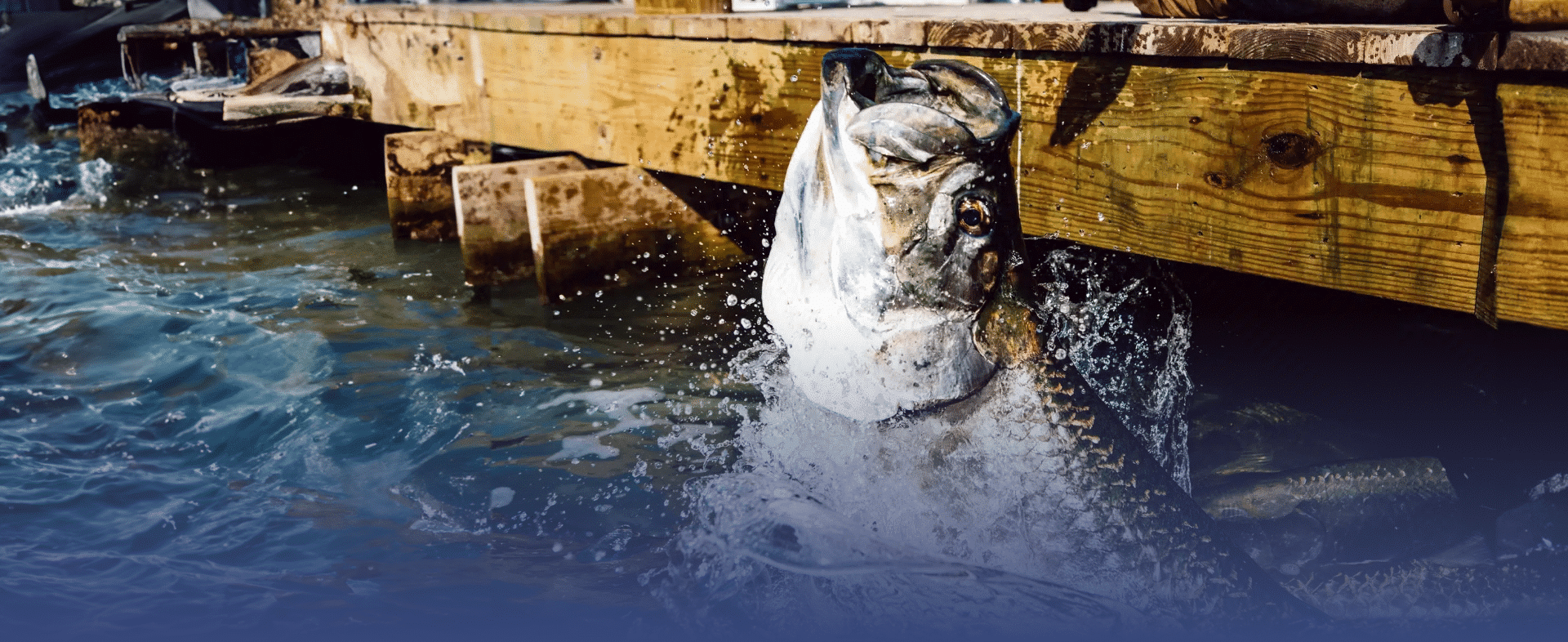
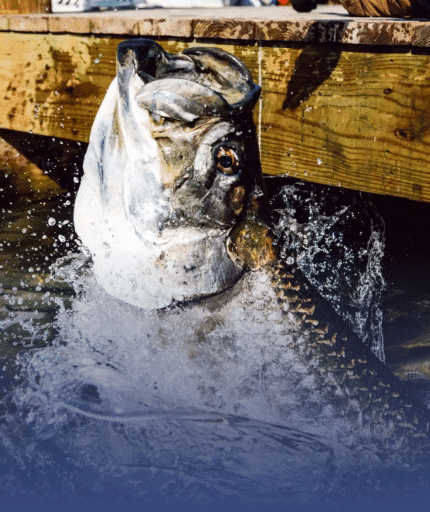
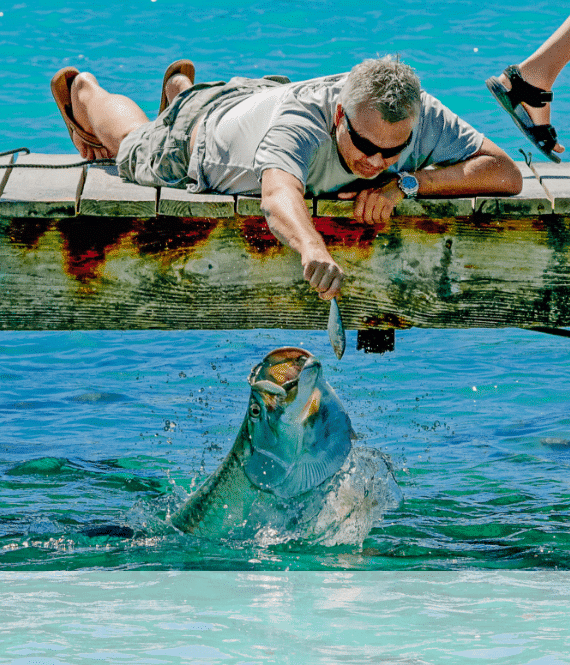
The mangroves are eating anything you use for bait right now. If you are going out in search of them I recommend using any kind of cut bait including but not limited to ballyhoo, mullet and bonita. Don’t bother fishing deeper than 40 feet of water. So often people have the mind set that the deeper you fish the bigger the fish will be. Depth however has little to do with fish size. For instance, look at the 200 pound tarpon you see swimming in marinas. Those fish are far bigger than anything you target on the reef and they live in 3 feet of water. Plus, the mangroves simply are not stacking up in the deeper water this time of year. On the contrary, if you don’t know anywhere to go in search of them, I suggest looking at a chart and finding the shallowest spot you can find near the reef and start there. The grovers are staging there for a number of reasons. Water temperature and available food are two of about 20 I can think of off the top of my head.

It’s fun to see the different fish that we catch over the coarse of the day during this amazing mangrove spawn. You can actually identify where each fish came from by how it’s colored. Mangroves live in all depths of water during the year and they take on a different look depending on where they live. In June, July and August they all congregate on the reef to spawn, but they keep their signature colors which tell where they reside. When you catch a fish that is light in color with a very dark tail and has a dark bar running through it’s eye you know that it migrated from the bay or back country. When you catch one that is a deep red in color it was a deep water resident (I’ve caught them as deep as 245 feet in the winter). And a reef resident has no bar through the eye and is a dark grey or even a bronze color. These are all the same species, regardless of colorings or markings.

Ok, enough about mangroves for a bit. The yellowtail bite has actually been trailing off for me. I’ve heard reports of other captains still catching them quite well, but for me they have slowed down. On the contrary, at night Capt. Ron on the Capt. Michael has been catching big ‘tails by the barrel full. He is catching them primarily on wrecks in 70 to 100 feet of water using all the normal techniques. I’m sure you can find the fish in greater numbers but smaller size on the reef and patches, but Capt. Ron likes the big flags.

Barracudas are another common fish on the reef right now. They are a great fight, a fantastic mount or picture and a memory of a lifetime. You almost have to use a wire leader when targeting them and a live bait is usually the trick on the reef. Inshore flies and tube lures are successful but out where we fish I recommend enticing these toothy critters with one of the fish in your chum slick. If you don’t plan on mounting the fish or eating it (not recommended due to ciguatera poison) please don’t bother killing them. On the Capt. Michael we only kill them if the customer is interested in mounting the fish for a trophy. If you plan on taking photos and releasing the fish just remember that of all the fish with teeth that can hurt you this is one of the most dangerous. You need to steer as far clear of the razor sharp teeth.

One fish that has been pretty much absent lately is the grouper. We’ve only caught 2 keeper fish in the last month or so (barring graysbies, rock hinds and such). This time of year these fish are very inactive and spread out. They prefer colder water than what we have on the reef right now. They aren’t a big fan of the Key’s bathwater in the summer. This isn’t to say that you can’t catch them, but I wouldn’t spend as much time targeting them as I would muttons if you are looking for a big, drag pulling bottom fish.

I would expect this hot snapper bite to carry on for the next three weeks, so you if you are ever going to get out there when the fishing is as good as it gets, this is the time. You’ve got a few weeks, so pick a nice day and get out there!

Capt. Brian


July 7, 2008

Snapper, Snapper, Snapper!!! The mangroves have started their heavy spawn period, while the yellowtails are still abundant and you can certainly find muttons if you work at it. Tuesday was the first night that the mangrove bite was really red hot. After that the numbers of fish have decreased a bit, but I believe they are biting late in the night right now and our boat stops fishing at 11:30pm. As the summer goes on this will rectify itself and the bite will become earlier and earlier. The pilchards are abundant from sun down to sun up where the mangroves are spawning, so you never have a shortage of live and fresh bait. That’s not to say the pilchards are always the best bait, but they are usually darn close to it, if not the best. You will find that the small mangroves will come right up to the chum bag and eat the chum, but the bigger fish are hanging back a bit eating pilchards. On a calm, quiet night you will be able to hear them snapping the baits off of the surface while you are fishing. Ballyhoo plugs, thread herring, mullet and pretty much anything else will get eaten, but a live pilchard fished with no weight on a 15 pound spinner is an angler’s dream when the mangroves are spawning.

Something extremely important to keep in mind about these hot summer nights is that the mangrove limit is only 5 fish per angler. This fits into ten per person aggregate snapper limit, meaning that you can catch 10 snappers, but only 5 of them can be grovers. Many sportsmen are starting to put the limit in the box then catch and release for fun. That’s great, but if you are gut hooking them and throwing them back you are defeating the purpose of the limit. The bag limit is in place to limit the number of fish killed. If you are going to fish for sport please use a circle hook, a hook with no barb, a huge hook that they can’t swallow or a combination there of.

The muttons are being caught right now off of wrecks in up to 260 feet. All the normal baits are hot, ballyhoo, pinfish, flying fish, mullet, bonita strips, etc. I really can’t tell you much more, as the muttons are much more structure specific than most of the other snappers. You basically need to know where they are going to be in order to find them. This takes a good friend with the willingness to share the coordinates or a lot of time on the water with your eyes glued to your bottom machine. Research can lead you to deep structure as well, but chances are that if you found it that way so did your neighbor. One thing the Keys are definitely lacking is an abundance of deep-water structure. Most other counties in the state have a government that is pro-artificial reef, but due to our fragile living reef we rarely see man-made structures legally sank in our waters.

On Monday we had some top notch vermillion snapper fishing this week as well. Fishing in 164 feet outside of Islamorada we came across a school of vermies that averaged 2.5 pounds in size and they were coming up two at a time on the bottom rigs. This is the kind of fishing that is perfect for a party boat. Everyone on board goes home with a great memory of action packed fishing as well as a superb dinner. We went back to the same area a few times later in the week but the fish had moved on already. These weren’t resident fish, they were on the move and we just happened upon them at the perfect time.

One snapper that most people never even think about is the cubera. They are set to spawn on this next full moon. Forget catching a 30 pound mutton, the cubera is the real trophy snapper. The Florida record is 116 pounds! The largest I’ve partaken in was 48 pounds, and I’m hear to tell you that they have the teeth and attitude of a Doberman Pinshcer on steroids! I’ve never seen a snapper in the hundred pound range, but if it’s like that 48 pounder only doubled, I’d be scared! Their food of choice is a live lobster, but I’ve seen them eat ballyhoo, yellowtails, blue runners, crabs, pinfish, grunts and mangrove snappers. Basically they’ll eat anything you put in front of them if presented properly, but a live lobster is the top choice.

Remember to check the weather radar before going night fishing this time of year, as squalls pass through all the time.

Capt. Brian (Click Here For Bio)